Search.
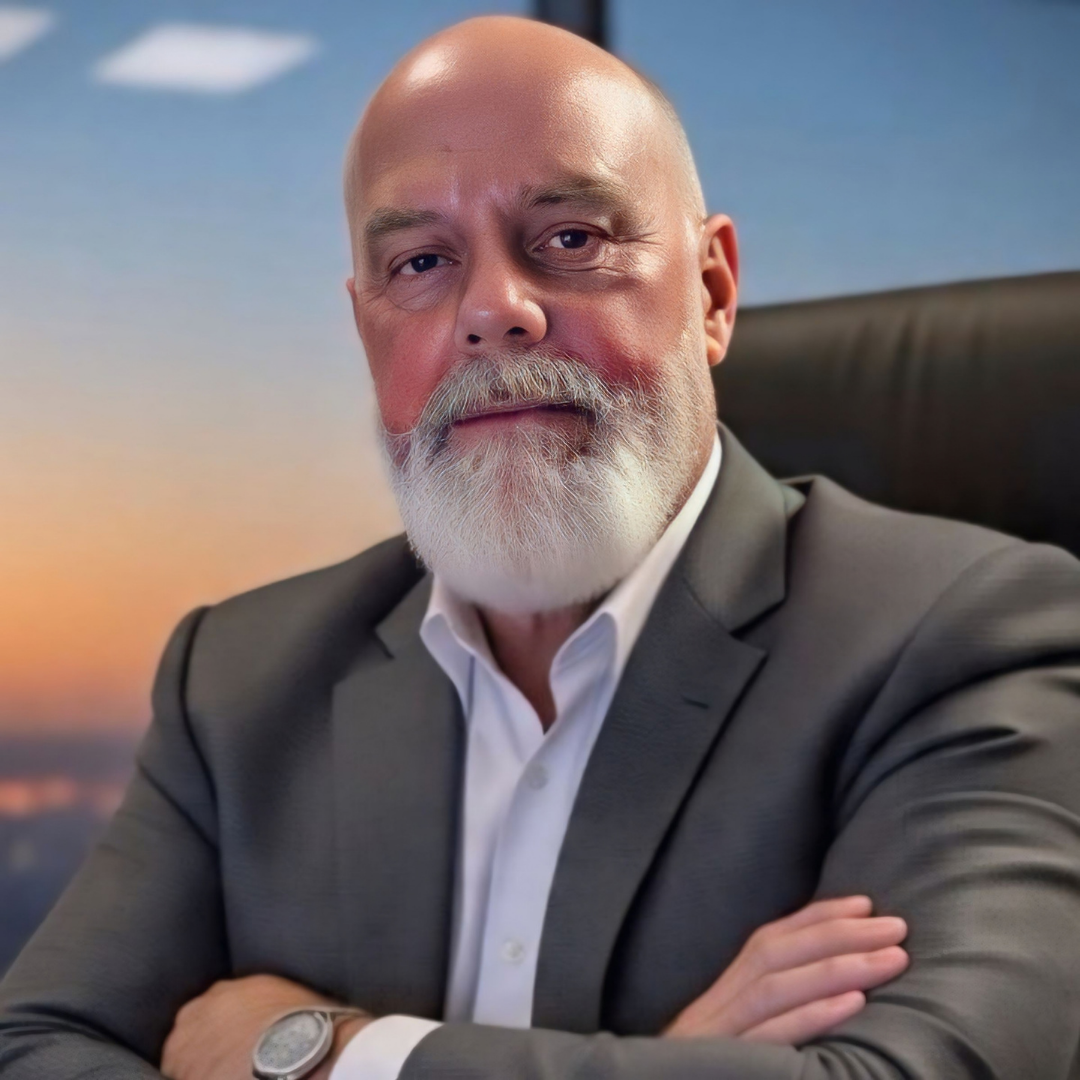
Scott Anderson is President and Chief Operating Officer of GreatWater Garages, also known as GreatWater 360 Auto Care. At the time of recording, the company’s network included 171 locations. His work with independent owners considering ownership transitions gives him a direct view of selling an auto repair shop and the preparation required before an owner steps away.
In this episode…
Before selling an auto repair shop, identify the work that still depends on your involvement. A vacation exposes the decisions that managers continue to send your way. Anderson looks at who runs the business during the owner’s absence, including who takes responsibility for hiring and employee development. For owners operating several locations, those responsibilities deserve attention at each shop.
Retirement plans and operational readiness follow different timelines. Anderson describes owners who are still handling substantial sales or repair work while considering a sale. Preparing the business for their departure takes time, and some transitions develop over years. A health problem or family responsibility compresses that timetable and leaves less time to prepare the people taking over.
Clean financial records help a buyer assess the business, while conversations about the team reveal how it will function after the sale. Employee arrangements also need attention. Anderson describes owners providing benefits such as vehicle access or tuition support that extend beyond regular compensation. A buyer needs to understand those commitments before deciding how to support employees through the transition.
Accountability continues after ownership changes. Anderson describes returning after 45 days to ask employees whether GreatWater has honored its commitments. The conversation also addresses the resources a larger network provides, including shared spending on health coverage and diagnostic technology.
Here’s a glimpse of what you’ll learn:
[05:08] Balancing preparation with timely leadership decisions
[08:22] Why shop owners struggle to prepare for retirement
[11:21] Using the vacation test to prepare your shop for sale
[15:29] Finding an acquisition partner who values your team and legacy
[24:02] What owners can expect when approaching GreatWater about a sale
[26:26] GreatWater’s plans to reach 200 shops and eventually 500
[28:21] How a larger network makes benefits and technology more affordable
Resources mentioned in this episode:
- Scott Anderson on LinkedIn
- Greatwater Garages Website
- Tread Partners
- Gain Traction Podcast on YouTube
- Gain Traction Podcast Website
- Mike Edge on LinkedIn
Quotable Moments:
- “And the reality is, it still comes down to people.”
- “It’s the employees that are making it work, and it’s the legacy of the brand and the niche that they’ve built, you know, in their marketplace.”
- “The decisions we make primarily revolve around employees.”
Action Steps:
- Schedule a controlled absence test. Set aside a half-day when location managers handle routine decisions without your involvement. Ask them to record the issues they resolve and the ones they escalate. Review the results by shop to identify gaps in authority or training.
- Transfer a recurring management responsibility. Choose a decision that regularly reaches your desk and assign it to the appropriate manager. Write down their authority and the circumstances that require escalation, then schedule a review of the decisions they make.
- Prepare the financial records needed for selling an auto repair shop. Request current financial statements for each location from your bookkeeper. Review unclear entries and document the explanations before sharing the records with a prospective buyer.
- Document employee arrangements beyond wages. Record benefits and commitments at each shop, including vehicle access or tuition assistance. Bring those arrangements into acquisition discussions so the buyer understands what employees currently receive.
- Write down the commitments you expect from a buyer. Prepare questions about employee support and the shop’s local identity. Ask how those commitments will be communicated and who employees will contact when a promise has not been met.
Transcript
00:00
We firmly believe if you treat your employees right, they’re going to treat your customer right. You treat your customer right, they’re going to come back, and the rest of it kind of solves itself. And then at the end, I say I’m going to be back here in 45 days, and I’m going to ask you a direct question with none of these other folks around that we honor our commitment.
00:15
Welcome to the Gain Traction Podcast, the official podcast for tire business. I am Mike Edge, your host, and I have the great privilege of connecting the industry by interviewing the best people who work in tires and auto repair. This episode is powered by Tread Partners, the leader in paid search marketing, which includes Google Ads and LSAs for multi-location tire and auto repair shops. To learn more about Tread Partners, visit treadpartners.com. Hey folks, my guest today is Scott Anderson, the president and COO of Great Water 360 Auto Care, also known as Great Water Garages, with 165 plus locations in 10 states. Scott, welcome to the Game Traction Podcast. Yeah, glad to glad to be here, and as of today, 171 locations. So, all right,
01:04
we grew since last time you and I spoke. So,
01:07
congratulations! Well, you told me something was in the works or was happening. So, I don’t know. Let’s just kick off the podcast. Who who’d you acquire, if you don’t mind?
01:15
Well, I don’t want to. I’m not going to announce the name, but we have entered a new market. So, we are now in Houston, in Houston, Texas. So that’s a good one for us. But not making a public announcement for another 24 hours or so. So
01:25
okay, well, fantastic,
01:26
super. That’s why that’s why I’m actually wearing a sport coat. I don’t normally wear a sport coat today, but we had some banker meetings today. We’re trying to close on some stuff. So
01:34
fantastic. Well, you and I met, and it’s funny. This world is really really small, right? And I think it’s cool for people to realize that when we talk. But we obviously had some connections with Raventire. You you had passed with them, and they’re in my neck of the woods. I mean, they’re all over my little tri-state area. But then we also touched on, which was kind of funny. I I don’t know how we got to this so quick, but I love to give people a little background of who’s who’s the guest, and I think it’s fun when people know that you’re a real person and you like real food, and you know you like to have you know good quality time with people. But you and I both landed on Shotgun Willies down in Nashville. We and I think you were shocked when I brought that name up. I
02:18
was very shocked. One, I I know it is the best barbecue joint in Nashville. I don’t know that that would come easily off of everybody’s tongue when you start talking about Nashville. The fact it’s pretty much so in my backyard, and I’ve been there many times, and I had a friend that lives right behind it. Was just it was the irony of it was was really funny. So it is
02:37
funny, and it’s it’s funny because I mean it’s not a big place or anything like that, but and it’s for for barbecue places. It’s relatively new. It’s not like you know one of these old you know 90 year old, 100 year old barbecue places.
02:49
But
02:50
the guy loves what he does, Bill, and he he makes daggone good beef brisket. I mean, I think I think he literally could cut it with a plastic fork or a spoon. Well, when you love what you do, it’s not a job, right? And yeah, it just becomes kind of an art form. And barbecue itself, I think, is a little bit of a an art form, and they do it very well down there. So free free plug for Shotgun Willies.
03:13
Absolutely. Well,
03:14
Bill’s always
03:14
been good for me, and I’m going back there. I’m going to have you there. It’s we’re going to meet there. And it’s funny, I say this because I know some of the people that’ll listen to this will laugh, but there’s multiple tire people in the Nashville market that know that place now. So really, yeah,
03:28
sorry, we were talking about that, and there’s a lot of tire people that go in and out of Nashville. So I imagine that.
03:34
Oh yeah, oh yeah. So they’ll they’ll get up. Well, real quick, just go a little deeper into the personal side. What’s your favorite movie?
03:44
So my new recent favorite movie. So I’m a I’m a huge history buff. So you could probably name five history based movies that were my favorite. Used to be Saving Private Ryan’s huge World War II buff, but I I don’t know if you’ve seen the the newest. I think it’s a couple years old, but it’s all quiet on the Western Front, and it’s a German movie dubbed over with you know English subtitles, but it’s from a German perspective of of World War II, and it’s just a it’s just an amazing, almost like an anti-war type movie. I would say like it’s a it’s a very very good movie if you haven’t seen it. Highly, highly recommend it. So it’s a little bit of a challenge with the subtitles, but man, it’s just it’s just awesome. So that’s my new my new favorite World War Two movie. I’m
04:29
glad I’m glad you recommended it. I don’t know that I would have selected it on my own. I remember reading the book in high school.
04:37
Yeah, required reading for guys our age, right? Yeah. When we were back in school, so when it when it came out, I I’d heard about it. I’m like, man, I don’t know. I struggle with kind of foreign films, but given the perspective in World War II, I’m like, I’m going to give this thing a try. And five minutes in, it’s wow, this is a whole different, you know, a whole different perspective. It’s raw. It’s rough. Like it’s a real, real. Of like what war looks like, but it’s very inter-it’s very interesting to watch from a different a different perspective. So I recommend
05:08
What’s a favorite quote or mantra that you have or you live by?
05:12
Well, yeah. So this is an interesting one. So I’m a huge Lincoln fan. So we talk about history. I think I’ve read just about every book on on Lincoln and studied Lincoln for a long time, and I’m sure it’s not the direct quote, but it’s the you know the you give me six hours and ask me to chop down a tree, and I’m going to spend four hours you know sharpening the ax. I think is yeah, it’s just so relevant not only for business but relevant for life, right? It’s just have a plan, have good tools, make sure you have a strategy. Spend as much time on that as you do on the actual execution of of the work. So anything that comes out of Lincoln is is is right by me, and that I would say that’s my favorite Lincoln quote.
05:53
So that leads me to another quote that I think of sometimes, and I’ve met people in business like yourself, and and they do worry about this side of the coin, but do you ever worry about paralysis of analysis?
06:06
We were just having that conversation today. I had my regional leadership in, and and we are doing a kind of a small market review on on one of our markets, and we struggle sometimes today, especially right because data is so available, so relevant, so easy to get, but it’s so much. Sometimes it can be really difficult to interpret where you’re really going. And the reality is, it still comes down to people. So, like every conversation we were having today with data still always ended in: Have we changed a person, or did we get a new person, or has that person been trained, or what’s the development plan for the person? It’s, it’s yeah, analysis paralysis can absolutely kill a business, and I think it’s very difficult today because data is so accessible, so easy to get.
06:48
Well, there’s some modern business leaders that I I can’t remember which ones you you may remember this, but it’s it’s not isolated to one. But some of them will talk about. Look, the worst thing you can do is not make the decision, you know. Based go on, go on the best information you have today. Don’t be afraid to fail, and then if you have to adjust, you just adjust. But don’t don’t not do something when you know you need to.
07:12
Yeah, when we interview leaders today, what’s one of the questions that that we ask them is how much? If you had to measure it by percentage, how much information do you need before that you act, and and when we have a leader that says, “Well, I need like 90% of the information, I’m probably passing because that’s going to take you way too long to to get to that point. And some of these decisions need made quick, you know, always err on the side of you know employees or err on the side of customers. But you know, 60 70% of information is probably enough to to get you headed in the right direction. And like you said, you can always correct course.
07:46
You know that’s a great question, man, to ask somebody. I like that question. I mean, that really gives you quick insight about how they might make a decision, doesn’t it?
07:55
Well, it’s you’d be so maybe you wouldn’t be surprised. I mean, the the varying degrees of answers, right? Especially for people that want to come into leadership and maybe haven’t been in leadership before, they think the right answer is that I need all the information, right? And then you realize, especially for leaders that have been, you know, doing it for a period of time, they realize that’s not practical or possible. So yeah, we ask that question every time that we’re talking to a new leader.
08:22
When you when you guys are you know looking at shops to acquire, and I know you you deal with a lot of different personalities and people, but across the board, do you feel like the average shop owner you know owns one to five shops? Do you feel like they are really good life decision makers because they’re entrepreneurial, small scale. Or how do you feel about that? If you had to put them in a group, man,
08:48
that’s interesting. I think that they’re what I found with most independent shop owners is their identity is the shop, and so their decisions revolve around the shop. And so if their family’s involved, I think they’re really good life decision makers because it’s all kind of wrapped into the same realm. And when their family’s not involved, I think it’s more focused on just the shop and taking care of you know taking care of the employees. From that standpoint, we don’t see a lot of real clear strategy and thought on how they have a good work-life balance. You’re an independent shop owner. You’re you’re you know you’re there from six in the morning till six or seven at night every night. You’re probably worried about it when you go home and worrying about it when you’re there on the weekends. And so I think that it is, man. These guys, we talk to these guys every day, and a lot of them don’t have a great strategy when it comes to retirement time, or strategy when it’s time to go on the next chapter of life. And they’ve lived that business forever. And I think they’re really good businessmen. They’re really good solution providers. They’re really good at driving momentum of their employees. But sometimes they actually miss it on the other side of the the fence on the family. Side and side, and then it hits them between the eyes at the last second. Either they’re they can’t do it physically, can’t do it, or they’ve had some health problems that are driving a you know driving a decision, or they’ve had somebody else in their family that needs some additional support, and they get smacked, you know, in the eyes with not being prepared for that.
10:16
It’s interesting when you look at personality traits. I think across the board, and it’s not just in our industry, but you know, entrepreneurs in general. What makes them super successful when they are is they’re they’re all in, you know, and that all in personality is what gets them where they are. But man, there’s some there’s some cost with that.
10:36
Yeah, and they’re all in, and more than likely they got there because they had a bad experience somewhere else where somebody else was telling them to be all in, and they couldn’t, you know, they couldn’t buy into that. And so they’ve kind of built their own little culture, their own little kingdom of how this should work. But they forget about the other side, the family side, and the fact that they needed to have a maybe another hobby or or another another interest from that, you know, from from that perspective, it’s we have a very unique we have a very unique business that that we’re in, and the perspective we have with with these independent shop owners when they decide that they want to go onto the next chapter, unbundling unbundling that to some to some degree.
11:21
I would say that your best acquisition deals with somebody that is knows how to remove themselves and manage it, or it can manage itself. And when they they can leave the building, in other words,
11:33
yeah, it’s a it’s the the biggest suggestion that we give to somebody who starts poking around with some interest. You know what happens to your business when you go on vacation? Are you still filling phone calls? Who’s making decisions? Do you have somebody that’s running the business? You know when you’re not there at all? Have you started to transition? Kind of the decision-making factors. How have you started to transition hiring and training and development, or even the harder part, like if you have to, you know, upgrade or replace somebody, like who’s doing that? And and that’s we we give that advice frequently. As somebody comes and says, “Hey, I’m interested, and then we start having a deeper conversation, we realize they’re buried in the day to day. You know, they’re still writing 50, 60% of the business, they’re still wrenching in the back, or they’re doing both. And then you realize, well, what’s going to happen when you step aside? Like that all goes away. It doesn’t just, you know, self-correct. It takes a period of time to get there. And so we spend a lot of time coaching those that are interested in potentially, you know, transitioning out at some point. And why sometimes this is years in the making from a process of those that say they’re potentially interested in partnering with us to when we actually, you know, get to that stage. The ones that have that plan, you could tell right away. Five minute conversation with them, you know they’re there. They’ve done their homework. They understand what it’s going to take, and that that goes really smooth, and the unfortunate part is there’s a there’s a whole group that have no plan, and what happens is something caused them to say I have to make this change, and then you know that that’s when we end up going through kind of a specific coaching process of how do we get them there.
13:15
I’ve heard multiple guys in your position say that hey, whether you’re going to sell or not, it’s it’s a valuable process to go through for you to dress yourself up like you’re going to sell just just to get you know yourself better because it gives you a perspective that you might not be aware of yourself today. Yeah, when you start thinking of yourself about how somebody else is going to look at you, or they’re or literally they’re in conversations with you, and they’re willing to to look down that road. Maybe not take it yet, but just to get in the process is a is a good exercise. And then maybe they check up and say, you know what, I’m going to leave this to my my kids or or whatever. But the value of of setting yourself up to be able to do that, I think, is exponential.
14:00
Yeah, and we highly encourage it. I mean, we we come across every day specific younger, you know, independent owners that that might have gotten in there either through second generation family, maybe you know a previous owner, you know, wanted out and sold to a, you know, sold to employee, whatever that may be. But younger owners who don’t really know what that next chapter looks like, and so it’s kind of pre-planning. You know, you talk to somebody like Great Water, and you know, ask what the process is and what it takes, and we’re happy to we’re happy to share. I mean, whether they end up partnering with us or not is I’m not. That’s not really what our overall goal would be. Is at some point that they’ll come to that, and and we want to be the preferred partner, but we get it, and we educate a lot of owners on what that may be. And so it’s like again, the advice traditionally revolves around how do you kind of remove yourself from the business? How do you make sure that your financials are clean? Like that’s all another thing that we see from independent standpoint is like making sure you have real clean. Financials that you can share with somebody so that you get the most valuation for your business, and I think there’s a lot of independent operators that don’t realize what their business is valued at. Like that, they don’t. They there’s a perception that the value is more on maybe the name than the real estate, or vice versa, right? And so it’s like we can educate them and what that balance, you know, what that balance really looks like, and provide them you know real true valuation, so that they’re not you know blindly going into it at some point later. Well, I like
15:29
the I like the fact that you guys really kind of want to date for a while, you know, and because it is important. Because I mean, at the end of the day, I mean, I think you would say this as genuinely as as possible is that, look, I don’t I don’t want to acquire you if if it’s not the right fit. I mean, it’s got to be. I think it’s a three way street. In other words, you you’ve got to be happy. The employees, you want them to be happy too, and then and then obviously the seller, he’s got to be happy. So I mean, there’s like almost I feel like there’s if I’m wrong in saying there’s kind of three groups there. You’re trying to appeal to.
16:03
Yeah, I think it’s. I I like the dating analogy. So I think it’s almost though like you’re you’re dating and you’re really trying to get to know your date’s dad, right? Because it’s like the dad’s got to approve, but then you’re going to go on the date, which the employee, right, at a at a later a later point in time, and so it’s like you have to make sure that there’s these great synergies and that you’re all going to work out collectively together. And then if you start dating and it doesn’t work out, you got to part. You know, you still got to part ways, friends. It’s it’s very it’s uh again we we talked we talked to so many owners and and it’s great. Like we we have so much fun with it, and we pride our our business development team on making sure that they have conversations with every owner that that may be of interest, and it’s real people. Like you go to our website and say you’re interested, you’re talking to the actual person that you’re going to be talking to. You know, through the the entire time, our website actually says if you send us an email, we actually read it. Right, that’s an important thing, and and you’re going to be taught to by that person. But we walk them very specifically through what this process looks like, the good and the good and the bad. And if that everybody’s honest on both sides of the house and transparent, we can help somebody get there. If they’re not, for a later point in time, or if they’re already there, we can move forward, you know, relatively quickly. But I do believe I do like the whole dating, you know, the dating analogy piece. Except for the owners traditionally moving on, so it’s like you got to make sure that who you’re actually marrying in the end, right, is is the employees. And so a big portion for us, you know, I think a lot of people going into this think it’s all about the valuation of the business financially, and I think that’s where a lot of the owners’ heads are is like what I’m. What’s my business worth? For us, we’re trying to find somebody who’s really worried about what’s the legacy of the employees and what’s the legacy of the brand going forward. I mean that that’s where the real value is. Anybody can put four walls up and throw a lift in it and call a service shop, and that’s that’s not a service shop, right? It’s the employees that are making it work, and it’s the legacy of the brand and the niche that they’ve built, you know, in their marketplace. And it’s absolutely critical that those employees stay. Like that’s for us. Like when we we move forward with the partnership, losing employees is the absolute worst thing to to deal with. Right? We we we love businesses that are performing well. They know what they’re doing. They might be doing a little different than somebody else. We kind of hope they are, right? It’s the other thing is we love to learn from you know independents that are successful and how they got there. But man, if we come in and the partnership and employees leave, that’s doesn’t work. Doesn’t work for the not
18:35
not at all. I mean that would be brutal. I mean and and I think I’m sure you guys probably tell the employees when you get to a chance to. Well, let me ask you: Do you do you ever have a conversation as this thing’s migrate? Is the deal usually done before or after, or do you ever engage with the employees while it’s being done? Let me ask you that.
18:55
So it’s a little of both. It really depends on the type of transaction that it may be right, and it could depend on the size and scope and where they’re at. Again, think of an owner that has this plant. They’ve got clean books. They’ve told their employees they’re retiring at some point. They haven’t promised it to anybody else, and so everybody knows it’s coming. There’s a higher likelihood that we’ll talk to employees much further in advance than an owner has a health problem, hasn’t shared it with anybody. They got to get out because they have to take care of that, and or somebody in their family that they need to take care of, and they have to move relatively quickly. So that that dating goes down to a much shorter period. You know, that’s the that’s the speed dating part of it. So it’s a it’s a little of both. The thing that we try to spend the most amount of time on is understanding the involvement of the owner, but ultimately the the folks that are in the business today, their aptitude for running the business without the owner, and it comes normally through deep conversations with the owner, and and we walk them down a very specific path to try to determine that, and you can usually get through through the conversation. With the owner, but ultimately we do end up talking to, you know, what what we would refer to as you know the the person that’s going to be running it after the owner steps aside to make sure that there’s a comfort level there with our partnership with them and that they understand kind of what the future holds.
20:17
Yeah. Do
20:18
you guys ever buy companies where, and what would happen in this circumstance? Do you ever buy a company where the owner does a profit share?
20:28
So we’ve done a little bit of everything. I want to be a little careful in you know putting this out there. We’ve done a little of everything, so I think there’s there’s probably a path for you know owners to partner with us, we have multiple different paths. Well,
20:43
what I mean, though, let’s say the the owner has a shop set up where he’s he’s doing profit share with his profit share
20:50
as employees. Yeah, we have a we have a path for a little bit of that. Yeah,
20:54
and you wouldn’t want to take that away in the acquisition, obviously. Yeah, so
20:58
no, but it’s a very it is a navigatable, and you know, as we go through the process, we just need to understand what the dynamic, the dynamic of it is. I think the hardest thing, Mike, that that we experience, and it happens a lot in the independent space, and rightfully so, is owners have figured out ways to retain employees. Like everybody in this space, it’s super important. How do I retain employees? And it’s not always just on the the comp line. So there’s owners that have I don’t know provided a vehicle for an employee. If I’ve ran into owners that paid for an employee’s kids’ college tuition on the side, or you know they’ve done you know they they stick you know cash. Where’s
21:37
where are those guys? Yeah,
21:39
yeah, yeah. You want to you want a court for them, guys. But you’d be surprised. You’d be surprised. It’s all done in the right manner to retain employees. It’s very difficult to replicate that though at 170 times, right? So it’s like that. Those are the those are the hard ones, and so we spend a lot of time with owners making sure we uncover it right through transparency, and not that we want to take anything away, but how do we, you know, how do we make sure that we equal that in some manner, you know, as we partner, because we don’t want to disappoint the employee, right? The employee is is the most important thing to us. We we consider ourselves an extremely employee centric company. The decisions we make primarily revolve around employees. We firmly believe if you treat your employees right, they’re going to treat your customer right. You treat your customer right, they’re going to come back, and the rest of it kind of solves, you know, kind of solves itself. And that is the you know the talking points we have when we go in and meet new employees, and then we do everything we can to back that up. And you know, I I share that in particular as I I go to almost every employee meeting. I I missed one here recently just because travel, and I had an opportunity to take my wife and renew our vows in Hawaii, and I just could not get back for an employee. I don’t know,
22:54
man. I don’t know why you did that. What the heck? Come on, we do it
22:58
every we do it every year, Mike. I don’t know if I told you this when we were talking last time. My wife and I renew our wedding vows every year. Oh, that’s
23:04
fantastic! No, I was just giving you a hard time of choosing that or Hawaii. You know, well,
23:08
I’m going back to I’m going I’m going early Monday to back over to meet the employees because I missed it. Good for
23:12
you, good for you. You know, I
23:13
missed that. But we we tell the employees like, look, we’re an employee focused company. We go through the whole speech, and then at the end, I say I’m going to be back here in 45 days, and I’m going to ask you a direct question with none of these other folks around that we honor our commitment. And if we didn’t, you’re talking to the right guy that can get it fixed for you. And it’s just something that we. I
23:31
like that. I love the fact that the buck stops with you. That you’re talking to the guy that, and you tell those guys that. I mean, I think that’s reassuring. I think, I think an interview like this is very reassuring. I mean, I think people get to know who Scott Anderson is, and they, you know, you you guys have done a great job with PR, and you’re you’re in the press a lot, and you know, and what your acquisitions have been in the past. And I I’m really glad to get this chance to interview because I think with our audience, I think it’s good for them to know, you know, who’s running the ship.
24:01
Yeah, we appreciate that.
24:02
To help those listeners out there go through that process real quick, if somebody just wants to inquire with you guys, the best place to start is the website.
24:12
Yeah, I would say go to our website. There’s a there’s a path on there. It’s it’s we don’t try to make it like overly obvious because still our the most important thing we do is serve our customers, right? Our website’s really geared towards the services we provide for our customers. But there is a path on the website that you have an opportunity either just get information, or if you actually want to be contacted by somebody, there’s a way to be contacted by somebody. It will go directly to a person that is the person will walk you through the process from day one all the way through the end, and they’re they’re super easy. We’re used to people just inquiring, and we’re used to people that are really serious. So there’s nothing one way or the other that doesn’t say if you’re just interested, don’t go. Once you go to the website, put an inquiry in. Just base level information that we need. Geography does it work for? From that standpoint, and there’s some synergistic questions that are important to us because of the employee-centric focus that we have. It’s it we do ask some basic questions to make sure that we have some synergy. Usually, initial conversations are are pretty high level. You know, some basic financial information to to make sure that meets some you know thresholds that make sense for the space. If all that comes together, and then we usually will send somebody out and sit down and let’s talk about it. We always send somebody out to the shop. I know there’s a lot of owners that worry about that. We don’t go during the day if that’s not appropriate. So it’s like we’ll we can walk through a shop at night. We like to walk through the shop with the owner. We’re going to ask a lot of questions. It’s not as much about seeing the facility as it is walking and understanding the workflow and how they operate. Learning, learning a little bit about each individual employee, talking about their customer base, and should it all work out, we you know we we can move as you know quick or as slow as somebody wants. That’s the other thing we always share with owners. This is about them. If somebody just wants to talk, or they say I’m super interested and we can come to terms, but they’re not interested for a year, they got to reach a certain date, or there’s some other thing they’re trying to get to. We’re very, very amenable to that. It’s it’s important that the owner is happy with this, right? We don’t want the owner to be disappointed in how this all, you know, how this all works out because that disappointment will show through to the employees, and that’s not what we want. That’s not what we want. Do
26:26
Do you ever get this question? Like, what’s Great Water’s long term, short term, and long term goals? Like, what’s your goal in a year? What’s your goal with three years, five years? What’s that look like from an organization standpoint?
26:38
So we called our road. We called our road to 200 today because it was like our our goal about 18 months ago was we wanted to get to 200 shops, and so we really rallied all of our employees around the that what is that road to 200 and kind of put some you know stops along the way. But we’ll reach that goal by the end of of 2026. That’s important to us, and I think our our future is: we’d like to be around 500 shops. That’s that’s what our that’s what our focus is. Is we springboarded to 2027. We have a really good foundation. Everybody in our organization that sits in leadership roles has been in this space for an extended period of time. We have a ton of folks on the on the back office side that are there to support employees to make it a good place to work, and so I would say our short term is we’re going to finish the year at 200 locations, and I think our longer term is we’d like to grow to 500 locations. I had a personal goal of making sure we reached 1000 employees. It’s important to me, and I shared this at our summit last year with our team. Is I think we were at about 850 or so a year ago, and is like we’re feeding 1000 families, right? And that’s how we should think about it. Is like we’re we’re we’re putting 1000 people to work, and within that, there’s 1000 people that are able to help take care of their family. And Jim Jim Dykstra, who’s our founder and and CEO, this was extremely important to him. Like he he built this business because he was able to be become what he is today with his family and the things he’s able to do from a community standpoint, because his dad afforded him the right to enter into this, you know, enter into this space, and so Jim has presented that back to myself and and my team is like, you guys got to carry the torch, right? This is about people, this is about community, this is about making sure you’re taking care of families, and so that’s like what our approach is.
28:21
Well, that’s solid. And the other thing I like is that you know, I mean, look, if if someone’s looking at their succession plan and they’re thinking about their employees, in many ways, because of the scale that you’re going to get to, right, then the the benefits to the employees only get better.
28:38
It’s the message that we try to present every year. We when we bring the team together is you know coming from an independent into a united network can be scary, right? A lot of independent shops,
28:49
yeah,
28:50
folks used to work for a corporation or used to work maybe for one of the big boxes in the space, and so there’s just a little bit of apprehension of right off the get that I’m working for you know big corporate, and we’re we try to basically come in and say that is not what it is. And the culture that I tell my team is if I hear anybody say big corporate when I walk into these stores, we’re going to make some changes, right? Because that’s not who we want to be. And so it’s it is about family, and part of taking care of your family is to be able to provide for them in multiple different facets, up including including career path, up including be able to earn more income through training and and development, and so look little things like health insurance, life insurance, all the stuff that rolls around that. The larger that we become on the United backside of this, the more we can help our employees with that, and that’s the struggle, you know, that independence has is you can get to a certain point. It’s like, man, healthcare can be unaffordable when you’re you know one spot or technology like a technology today. It’s like we talk about that. We were just having this conversation the other day with our our chief technology officer. It’s like wow, our asks for 2027 are substantial, but we have to have the technology. Like you have to be able to, you know, diagnose equipment today, right? We don’t have a choice. Like, and with what’s what’s happening in AI right now, how do we get there? Get there quicker, and also make sure that we’re giving the customer a really good experience with all of it. And that’s it’s it’s costly. And the larger we get there, the more we can defray those costs, and and the more successful we we can become, and the more successful our employees become.
30:23
That’s a great note to end on. I tell you, I I can’t thank you enough, Scott, for being on the Gain Traction podcast. It’s been a real pleasure and honor to have you on.
30:31
I’m looking forward to you coming to Nashville, Mike. I’m going to make you pay for that, Chuck. I will.
30:34
You you can count on it. Let
30:38
me know. Happy
30:39
to do it. To our listeners out there, thanks for being part of the podcast. You know we really appreciate you. Till next time, we’ll see you here at the Gain Traction Podcast. Hey, folks, Mike Edge here with the Gain Traction Podcast. Real quick, we get a lot of people ask us they know Gain Traction, but who who’s Tread Partners? Well, Tread Partners is our parent company, and they’re a marketing agency dedicated strictly to tire and automotive repair shops, anywhere from five locations all the way up to hundreds of locations, and primarily one field that is always a pain for most people is paid search or PPC or Google Ads. We see enormous amount of waste in it, and we see inefficient spend in it. If you want to know if you’re doing well or not, give us a call. We’ll help you. We’ll audit your account. We’ll look under the hood and tell you if you’re doing things the right way or the wrong way, and help you optimize that spend. You can reach me, and I’ll direct you in the right direction at [email protected], or feel free to go to treadpartners.com, the website. To all our listeners, thank you for being part of Gain Traction. If you’d like to find more podcasts like this, visit gaintractionpodcast.com. If you’d like to make a guest recommendation, please email me at [email protected]. This episode has been powered by Tread Partners, the leader in paid search marketing such as Google Ads and LSAs for multi-location tire and auto repair shops. To learn more about Tread Partners, visit treadpartners.com. Don’t forget to like and subscribe. We will see you here next time on the Gain Traction podcast.
Sign up for the newsletter!
Get notified about updates and be the first to get early access to new episodes.