
Search.
This Episode is Sponsored by:

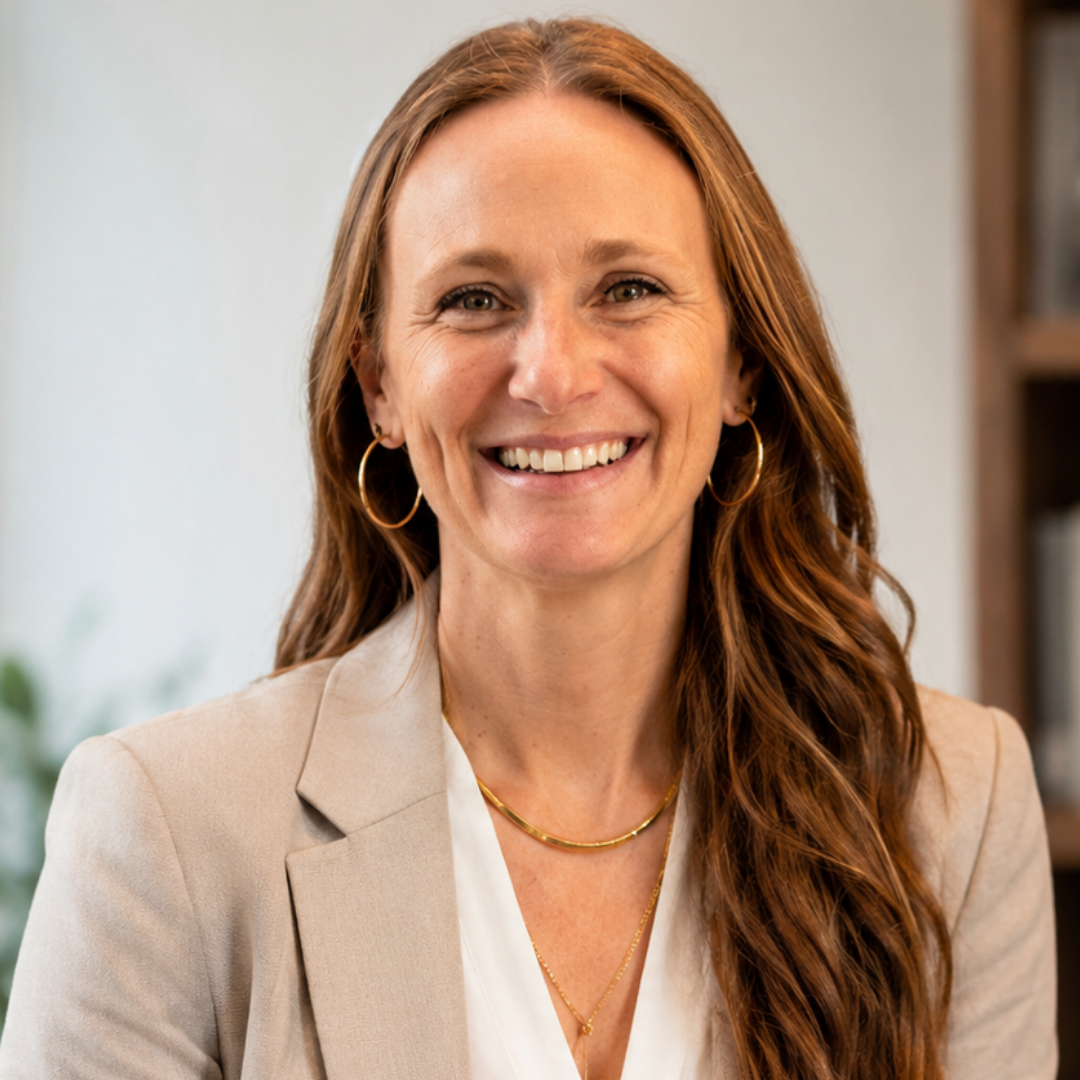
Jesse Jackson is the co-founder and operator of Mango Automotive, a multi-location auto repair group running eight shops across Texas, New Mexico, and Arizona. After a career in software, Jesse pivoted into the trades alongside her partner Brian, building Mango into a regional operator focused on acquiring auto repair shops from retiring owners whose businesses are already profitable but under-marketed.
Jesse is the creator of a free acquisition-evaluation tool at autorepairqueen.com/shop It’s the same model Mango Automotive uses internally to underwrite its own deals. Her perspective sits at the intersection of operator, acquirer, and brand-builder, which is why shop owners modeling their first or fifth acquisition keep coming back to her playbook.
EPISODE SPONSOR
This episode of the Gain Traction Podcast is sponsored by Cosmo Tires. Cosmo Tires offers a wide range of tire solutions designed for durability, reliability, and performance across multiple vehicle segments. Learn more at https://www.cosmotires.com
In this episode…
The Boomer generation built most of the independent auto repair shops in this country, and a huge share of them are heading toward retirement with thirty years of word-of-mouth equity and zero modern demand generation on top. That’s the deal flow most multi-location operators are sleeping on. Acquiring auto repair shops at this stage means buying already-profitable businesses and unlocking the growth the previous owner stopped chasing a decade ago.
The 50%+ year-one number comes from three layers: Google Maps SEO, Local Service Ads, and AI search visibility on the marketing side; a transition protocol that retains every technician on the people side; and the right district manager, finance, and HR hires at the three-shop and five-shop inflection points. Jesse Jackson of Mango Automotive has run this playbook across eight locations and three states, and this conversation breaks down exactly how it gets executed.
Here’s a glimpse of what you’ll learn:
[01:14] Guest introduction: Jesse Jackson, Operator of Mango Automotive
[01:41] The career pivot from software into the automotive trades
[04:49] Building Mango Automotive into a multi-state operator through acquisition
[06:41] Navigating the three-store and five-store inflection points in multi-location growth
[12:00] The transition protocol for retaining staff through a change in ownership
[14:14] Customer acquisition strategy and cost-per-acquisition in secondary markets
[18:29] Local brand-building and the role of community partnerships in market penetration
[24:16] Operator mindset and the discipline of career reinvention
[25:31] Leadership lessons from It’s Not About the Mangoes
[31:57] The free acquisition-evaluation tool Mango uses to underwrite deals
Resources mentioned in this episode:
- Jesse Jackson on LinkedIn
- Mango Automotive Website
- Free Acquisition Evaluation Tool (Mango Automotive)
- Tread Partners
- Gain Traction Podcast on YouTube
- Gain Traction Podcast Website
- Mike Edge on LinkedIn
Quotable Moments:
- “The shops we buy are already successful, the previous owner just stopped pushing for growth.”
- “We wait in the parking lot while the owner tells the team, then walk in so nobody has time to get paranoid.”
- “Customer acquisition in our secondary markets runs about $150, and that’s with the referral base already working for us.”
- “I’m rebuilding our website because I don’t like what ChatGPT or Gemini says when I ask for the best repair shop in town.”
- “The three-shop and five-shop inflection points are where most operators break; district managers, finance, and HR are what get you through.”
- “We’ve never lost an employee through a transition, and that’s not luck, it’s benefits and how you walk in the door.”
Action Steps:
- Underwrite every deal on year-one marketing upside, not trailing revenue. Assume a 50%+ lift when acquiring auto repair shops from retiring owners who never invested in modern demand generation.
- Run the parking-lot transition play on day one. Let the seller announce the sale to the team alone, then walk in within minutes with the full benefits package in writing.
- Audit AI search visibility this week; ask ChatGPT, Gemini, and Claude for the best repair shops in each market and treat every gap as a website rebuild priority.
- Hire the district manager, finance lead, and HR seat before hitting five locations: those three roles carry multi-location auto repair operators through the inflection point.
- Pull Jesse’s free acquisition-evaluation tool and run it on the next deal in the pipeline, it’s the same model Mango uses to pressure-test year-one assumptions before signing an LOI.
Transcript
00:00
Speaker 1
Welcome to the Gain Traction Podcast, the official podcast for tire business. I am Mike Edge, your host and I have the privilege of interviewing the tire dealers, shop owners, counter sales reps, technicians, industry executives and other thought leaders of our industry. This episode is brought to you by Tread Partners. Tread Partners is the leading digital marketing agency that specializes in digital marketing for multi location tire and auto repair shops. Tread Partners works with clients that have hundreds of locations, down to five locations. Get a professional, unbiased opinion and let Tread Partners review what you’re doing. It starts with a simple conversation. To contact tread partners, visit treadpartners.com so let’s get started. Hey folks, Mike Edge here with the Gain Traction Podcast. I just want to make you aware we’ve got a great new sponsor, Cosmo Tires.
00:47
Speaker 1
You can find out more about [email protected] they sell about every tire on the market. Here’s a short video about one of their products.
00:58
Speaker 2
Slinging that brown mud kicker Mud kick up Never getting stuck Digging down deep while we cr.
01:11
Speaker 1
Welcome to the Game Traction Podcast, the official podcast for tire business. My guest today is Jesse Jackson, CEO of Mango Automotive with seven locations in Texas, New Mexico and Arizona. Jesse, welcome to the Gain Traction podcast.
01:25
Speaker 2
Thank you. I think I forgot to tell you we opened our eighth location a couple weeks ago.
01:30
Speaker 1
You did forget to tell me that. So what state is that one in?
01:33
Speaker 2
In New Mexico. Also in our home base. Our fourth Albuquerque location.
01:38
Speaker 1
Yeah, Albuquerque is the home base. Right. So before we get into Mango, tell me about Jesse and where you grew up and ultimately how did you get to automotive?
01:52
Speaker 2
Such a long story. I grew up outside of la and I used to be an environmental engineer in what feels like another life. The bottom sort of fell out of that market in the 2007, 2008 crash. And I had my first baby at that time. And then I got into software. I literally was using a printer software and I went to the owner and said, this software sucks. I’m sure I can make it better. And that was the very early days of user experience design. So I really fell into chief product for B2B SaaS companies. And it just so happened that one of those was in the automotive space. Now we got bought by private equity, so I had some time to assess my next move. And since I knew a ton about the automotive space, I saw a huge opportunity in the space.
02:47
Speaker 2
Not only is it yet to undergo consolidation, but there’s also a pretty low bar for doing things well. Traditional automotive repair shops, some of you might, you know, there’s a pot of burnt coffee and oil stains on the seat and a 10 year old Sports Illustrated that offends 65% of the customers, which are women. So I think, you know, bringing. Elevating the user experience in the space was very adjacent to what I was doing in software as well.
03:22
Speaker 1
That’s very cool that you had that perception in that and then you brought that. And I definitely think women bring a unique perspective to the automotive sector. I mean, because, you know, 50% of the market is women now making that decision in the household or more. And then you bring that perspective from a professional standpoint about how to cater to that. And I think a more universal approach. I mean, it’s going to bring in the men regardless, but it also brings in the women, makes them feel better about, you know, maybe not knowing as much about their automobile, but not feeling like someone’s going to make them feel stupid, if that makes sense.
04:01
Speaker 2
Yeah, I. We have an actual pink wall in our shops and we talk about the pink wall effect, which is a summary for elevating this experience. So one of the shops we bought in downtown Albuquerque, we put up the pink wall. We did our wallpaper, cleaned the shop, you know, installed our furniture, the whole bit. We walk into that shop and just started griping about how it looked now and the pink wall and how awful it was, and he hated it, and the previous owner would have never done that. And he turned around and walked down and said, but I’m still going to come here because my text here.
04:46
Speaker 1
That’s great. That’s funny. So how did you get to Mango? Like, how did you guys. How do you. How did you navigate to starting stores or buying stores?
04:57
Speaker 2
Well, the first thing I did was call every shop in Albuquerque to see who wanted to sell their shop. So it just so happened that of the first three calls that I made, one of them ended up being my business partner, who thank God that I stumbled upon him because I needed him. But I was too blind to know how badly I needed him. And I thought I was gonna just do it all myself. It was amazing to have a partner who’s been in the industry his entire life and already owned a shop. And one of those calls ended up being our second acquisition. So I literally just started picking up the phone looking for sellers who wanted to retire. Mostly retire, move to Florida, or sell their businesses for other reasons.
05:51
Speaker 1
That’s pretty cool. And you struck lightning, really. I mean, like, you’re right out of the gate. And then to find that partner, that was even better because you are right. I mean, look, as. As slow as this industry could be, sometimes the knowledge base is hard to replace. And there are people, like you said, that have been in it for a lifetime. They bring an exorbitant amount of knowledge that it’s just hills that you don’t have to climb if you’ve got somebody in there with you.
06:19
Speaker 2
Yeah, I basically break things. That’s my job. I’ll say, brian, why are we doing this thing this way? We’ll say, jesse, everyone in automotive does it this way. This is the way it’s done. And I say, okay, can we maybe do it a different way?
06:36
Speaker 1
I’d be interested to hear your all’s conversations. That’s funny. So you’re at eight stores now. How fast has that process. How fast has that process been going? Because when did you buy your first one? What year was it?
06:51
Speaker 2
December 27, 2021.
06:55
Speaker 1
Okay, so you’ve come a long way in a short period of time. So 21. We’re in 26 now. So let’s, you know, I mean, we’re talking about five years. But did you roll with the first or second one for a little bit and then scale quicker or was. Has this been a pretty big, even pace study?
07:12
Speaker 2
So we did our first one and in December, and then that summer we did two more. And I think once three was a moment for us where we thought, okay, you know, Brian can’t be in every store managing every day. We have a lot of processes to put in place to figure this out and help these stores grow. And were, you know, we’re not just growing by acquisition. We’re also growing each individual store we acquire. So our average compound annual growth rate is 30 to. Usually it’s above 50 in the first year after we acquire.
07:48
Speaker 1
It’s fantastic.
07:49
Speaker 2
So we’re trying to do those things. And all of a sudden we had three stores. It felt like a lot at the time. And then so we sort of paused. The next year, we acquired 2020. What year are we in? 2023. We acquired one at the beginning of 2024, for we acquired another one at the end of 2024, one at the beginning of 2025, the beginning of 2026. But I think three was an inflection for us, and then five was another inflection. So when we acquired our fifth shop, I was very lucky to have Brian. But even the two of us doing everything, I mean, were hr, were the finance team, were the marketing team. Everything that you do, right. We were Payroll team. We were. We realized that we wouldn’t be able to keep growing if it was just he and I. Yeah.
08:45
Speaker 2
So we had a pause at that moment, and we hired a district manager. Our district manager is amazing and epitomizes our culture of fun, really better than Brian and I do. And we hired a finance team and a human resources person. And so those are the people that have really allowed us to scale beyond five shops, because we would have been stuck. We were completely full, busy.
09:12
Speaker 1
Well, but you recognized you needed. You needed it, and you found that perfect inflection point to bring those people in, which is great. I’m curious. I think this is interesting or something that you guys have done, because, you know, I live over in Kentucky and, you know, we can drive from state to state pretty easy, but, you know, I’ve been in Arizona, New Mexico, and Texas. You can’t just jump in the car and get to the other stores quickly. And, you know, a lot of people think about when they expand, you know, they kind of want to do it within a. I don’t know, a reach of each store so that they can manage it or whatever. What gave you guys the confidence to say, okay, I’m not afraid of these stores over in Arizona, acquiring them or. Or more over in Texas.
09:55
Speaker 1
How did you get to that comfort zone?
09:57
Speaker 2
We are afraid. But the. The Southwest geography is really. We have our four stores in Albuquerque, and then Las Cruces is in New Mexico and actually borders Texas. So Las Cruces and El Paso border each other. So they’re maybe four and a half hours away. And our farthest store way is Yuma. And I would say it is important. And there are economies of scale that you can have when those shops are drivable or even, I would say, one flight away.
10:30
Speaker 1
Yeah.
10:30
Speaker 2
So, you know, we have one. One of the positions we have in our company is someone who often will fill in for missing managers or service advisors. So for him to be able to hop in the car at 6am and be there at 10am I think is important and really helps us. Not only that, but the brand is beginning to develop a name for itself as we saturate these different areas.
10:55
Speaker 1
Okay, that makes sense then. They’re not as remote from each other as I was thinking then. Yeah, that makes sense. So now in your growth mode, now that you’re at eight stores, are you pretty certain you want to stay within these markets or are you open to, say, let’s say, Colorado, for instance? Or what if someone else contacted you from another state?
11:24
Speaker 2
Yeah, for sure. So the way that we think about is expansion is around saturating the current markets that we’re in. And when we open a new market, it has to be worth it. So for example, one shop that’s doing 2 million in revenue that we have to fly to that location probably would not be worth it. But right now we’re actually negotiating on three shops in a city that we have to fly to. And that becomes worth it for our travel time. Right. Especially that’s heavy on our district manager having to get out there.
11:59
Speaker 1
Well, I’m curious, so when you purchase a location, how do you retain the talent that you want to keep? And do you retain everybody or do you try to retain everybody? Do you try to screen everybody before you get in there and kind of know who you want to keep and don’t want to keep, or do you keep them all?
12:15
Speaker 2
What’s been known in automotive repair that the employees are one of the most valuable parts of the business. So we definitely retain everyone. We’ve never lost someone in a transition. They, the business that we’re buying is already running, successful, profitable. That’s the glory of not doing a greenfield. So what we do is when we get to the place where we either have a signed contract or we’re very confident we’re going to close, it’s usually two to four weeks out from the actual closing date. We set a time with the owner where the owner is going to tell their employees. And then Brian, usually, sometimes Brian and I, sometimes Brian in our dm are waiting in the parking lot. And then as soon as the owner tells the employees, we come in because we don’t want them to be able to sleep and get paranoid.
13:05
Speaker 2
We want them to meet us, figure out if they like us, be able to assure them that their life’s going to better. They’re going to get healthcare, vision, dental, short term disability, long term disability, life insurance. They’re not gonna, you know, their parents pay is not going to be degraded and just do our best to answer all of their questions. And so we found that to be very effective. And then that relationship is really kept up and continued in the time before, between when we meet them and when we, you know, close or purchase the shop and then it becomes ours. So. And our human resources person and my business partner Brian are really great about keeping up those relationships because all sorts of things will come up for them that they start getting worried about.
13:51
Speaker 1
I’m sure there is, there’s many phone calls. You said a number to me. That I found interesting. So is your average first year growth year over year? You say it was a 30% increase?
14:07
Speaker 2
No, those are later years. In the beginning is usually above 50% for the year after we acquire a business.
14:14
Speaker 1
What do you attribute that to? Because that’s obviously great for your return.
14:19
Speaker 2
So we work. It’s like any business. Systems and processes, marketing and people.
14:26
Speaker 1
Yeah.
14:26
Speaker 2
So usually we’re taking over a business where the owner is retiring. And part of that territory typically comes with the owner actually doesn’t work. Want growth at that time, they’re happy with what they’ve been doing. They don’t want to. They’ve sort of slowed down.
14:43
Speaker 1
Yep, yep.
14:44
Speaker 2
And usually what we hear when we say, what’s your marketing spin? What are we doing for marketing? They say word of mouth, which is, you know, great for them. And I think in the automotive space really means that you can maintain your customer base pretty well because customers are sticky and word of mouth fills in any customers that might churn because they’re moving. But if you want to grow, you obviously have to advertise. So we’re mostly in secondary markets, which means that acquiring a customer is not that expensive. It costs us about $150 to acquire a customer. So when we implement that marketing, we’re really able to ramp up and we make sure that we’re pricing right and we hire the right people.
15:28
Speaker 1
That’s awesome. Typically what you’re. I don’t want you to give your secret sauce away, but what do you guys do in regards to marketing that kind of stands out to you that. That you like?
15:40
Speaker 2
Okay. Nothing is secret sauce. I feel like there’s so much space in automotive repair for us as an industry to raise the bar and be doing things better. So if anyone wants to copy us, I consider that a compliment.
15:56
Speaker 1
I like it. All right.
15:58
Speaker 2
I think there’s plenty of space for everyone. We need. Yeah. Lots of good repair shops. And not only does, you know a rising sea. What is it? A rising.
16:08
Speaker 1
Rising. Rising tide lifts all boats.
16:11
Speaker 2
Yes. List all boats. So I would love for our industry to not have such a bad name. I would love to make a dent in our corner of the universe where women don’t feel like they’re being taken advantage of because they’re not. I would love to have these stages. So I’m an open book in terms of marketing. We focus on Google Maps, SEO, so showing up organically when someone opens Google Maps and searches for automotive repair. Side note, this year Apple is finally releasing advertising on their Maps, which has Been a long time in coming. So that’ll be another path that we take. And then Google Ads is another piece.
16:55
Speaker 2
And I think that something that’s important to consider now if you’re trying to grow as AI is picking up and becoming a replacement for Google, is what your footprint on the Internet looks like. So right now we’re undergoing a website revamp in order to see speak better to the bots essentially, but I mean to the humans also. But this is, you know, if you think about ChatGPT or whatnot, essentially they’re pulling from what they find on the web, the same as the Internet. And when I ask ChatGPT or Gemini or Claude about the best automotive repair shops in our area, I am not happy with the answers. So that’s something I think is important when we think about SEO moving forward in this space.
17:50
Speaker 1
100%. Couldn’t agree with you more. And I think sometimes, especially with the, I guess, you know, it depends on the generation, but the older generation underestimates the power of, you know, what Google has brought to the marketplace. And we have discovered it’s the least expensive way, if you do it correctly, it’s the least expensive way to acquire a new customer.
18:16
Speaker 2
Yeah. And last way. Yeah. The great thing about Google is someone is literally searched. They have a need right in that moment and they’re searching for you. And last year they rolled out in my Cities at least LSAs, oh yeah, local service ads. So I think those are something we added to our repertoire. And then we also send postcards.
18:39
Speaker 1
That’s good. I think it’s interesting because our industry, you know, when you think about marketing in general, we don’t sell a product or a service that people want really. It’s a necessary evil. They usually have to have it when they least want it. You know, it’s like I didn’t want to go in the shop today, I didn’t want to get my car repaired today, etc. So it’s not like the, you know, for instance, I use this as an example. If, if you are a golfer, for instance, and you think about going to buy something related to golf, you take your time, you might have fun shopping it. You might be looking for a new set of clubs, you might be looking for new set of shoes, or you might be looking for a new course to play or whatever.
19:23
Speaker 1
But all of it is fun, right? It’s, it’s a, it’s not a need and you’ll spend time having fun researching and all that stuff. The Difference that I like about what we sell is because of it’s a, it’s a need when the search happens is when it’s required that you be there because it’s not a long term process. Somebody’s. They’re trying to get to answer quickly and find somebody they can trust. So therefore, I think there’s a lot of advantages for folks that really take advantage of being good in the Internet space. I use it quote, unquote, you know, but that, that spot where when someone’s has a, an inquiry for what you do, they’re typically going to be real serious buyers today.
20:10
Speaker 2
Yeah. And there’s a couple of other maybe out of the box or fun things that we’ve done. We sponsored our local. We have in New Mexico a professional soccer team called United. So we sponsor them and I think, you know, and we’ve done some TV promotions as well. We have a really fun commercial.
20:32
Speaker 1
Good.
20:33
Speaker 2
But I think what’s we. What we found is important about that is developing a brand for yourself in the local community.
20:42
Speaker 1
Yes.
20:43
Speaker 2
So we actually have transformed what I would call is paid advertising into something that we, that’s a little more gorilla that we do internal, which is handing out MIA money that supports causes. So we’ll partner with a local nonprofit and we’ll give them. It’s. Maybe you get Kohl’s cash or something. I don’t know. Sometimes you go buy something, they say, okay, if you come back during this certain period of time, you can spend this just like dollars. So they’ll get something like $25 of MIA money and they’ll share this with their supporters. And then we will give, they’ll bring the coupon in, they will get $25 toward whatever their service, and then we’ll donate $25 to that cause.
21:33
Speaker 1
That’s awesome. Yeah. No, I think those things are sticky too. I think when people know that brands are doing that locally, you know, it makes them feel, I don’t know, makes them feel a little bit like I want to support them. Like, I know this is interesting, but I know a car dealership that has a coffee shop inside it called Overflow. Now, obviously it’s set up for their guests. You know, they come to their service department or if you’re there to buy a car and they have multiple brands on this lot. But it’s a nice coffee shop. But what’s interesting about it is they tell you up Front that they give 50% of their profits to the homeless shelters in our community at the end of each year. Well, when you know that, you realize they’re not doing it for the money.
22:20
Speaker 1
I mean, granted they’re doing it for the convenience of their customer, but they’re basically giving away, you know, the money to the homeless shelters. Well, as a, as a person that if I’m going out to buy coffee, which I don’t do a lot, I try to support them. I mean it’s just a, it’s that you’ve made it sticky for me. You know what I’m saying? Does that make sense?
22:40
Speaker 2
Yeah. Yeah.
22:42
Speaker 1
So like when we, I’ve been involved with charitable golf tournaments. Well, when we, you know, you get up, you’re going to have, somebody’s going to bring coffee and those boxes of coffee, you know, whatever. When Hour before tee off. Well, that’s usually about 7 o’. Clock. We bound from Overflow. I don’t know, just because, you know what I mean, it’s just, you know, the money’s going to something good. And they tell you at the end of the year, which is pretty cool. The dealership uses it as an advantage in marketing. They tell the community, we gave this much money to, from Overflow to these shelters this year and it works out to be quite a bit of money.
23:20
Speaker 2
I love it. We, I’ll mention the last marketing thing, there’s probably infinite that we do, but is we try to support our managers and our teams and causes that they want to support. So if they come to us and say the golf brought it to my mind because one of our shops loves to do this charity golf tournament, we’ll do that. Or one of our managers one year wanted to donate to a local shelter, so ran a drive inside of her shop and we matched the donations that she got with our own donations. So it’s important to us to be involved in the, not only be involved in the community but to back causes that our team cares about.
24:03
Speaker 1
No, I like that because then they have an enthusiasm to buy in. But not only it’s not company wide, it’s. It’s very local. It’s to their, it’s to that local charity they care about. That’s awesome. Hey, just curious on a personal note, what’s a quote or a mantra that you like?
24:24
Speaker 2
Okay. My favorite quote in my life is a Madeline Bett quote. She says, start over, my darling. Be brave enough to find the life you want. And courageous enough to chase it, then start over and love yourself the way you were always meant to be. And that quote has inspired me to remake myself. So you can imagine, like, coming from software, when I started Mango, I remember my, one of my business partners in software kept saying to me things like, I just can’t imagine you having automotive repair shops. Like, I just can’t imagine you being an investor. And as humans, we have this tendency to, we want ourselves to be continuous, so we don’t want to be seen as contradicting our own selves, which sometimes prevents us from starting over.
25:27
Speaker 1
Yep.
25:28
Speaker 2
And I think that there is this other feeling. So when I started Mango, I did not have all the tools or knowledge that to be the CEO of an eight figure company that I am now. Right. So this and the idea of imposter syndrome, I think goes hand in hand with starting over in our lives because you truly don’t have everything that you will need to have. You just, you know, you’re going to have to figure it out. So I think that it is always the right time to start out, to love yourself enough to start over and be courageous about what you’re doing. If you feel like where you are in life isn’t where you want or.
26:17
Speaker 1
Need to be, that’s awesome. No, I like that a lot. You know the other thing, and I know we did this in our preliminary call and I usually ask people, what’s your favorite book or something, favorite movie or whatever, but because of your name, Mango Automotive, I brought up a book to you that you’ve said that you’ve read now. And if you’ve been a guest or if you’ve been a listener for a long time on the show, you make me remember a gentleman I had on here, Kent Coleman, who wrote about a book called It’s not about the Mangoes and he’s out of Utah. Great interview. This is before we did the video, but his book, I told you about and you, I think you’ve read most of it since then.
27:00
Speaker 1
But it, you said there was a lot of just really cool correlations between you and Kent. Is that something you want to expand on?
27:09
Speaker 2
Okay, first of all, I thought that this book was so well written and inspirational that it should have gotten a lot more praise than I found that it had and a lot more attention. It is. You know, his story is about running the Big O stores and about, you know, acquiring those and figuring out how to run them. And the title of the book, It’s not about the Mangoes When I first heard it, I was like, it is about the mangoes.
27:45
Speaker 1
Because. Because this, for folks, this is Mango Automotive. Of course, Jesse said it’s about the mangoes,.
27:52
Speaker 2
But his point is really, he had, you know, some young gun that was working for him and used to sell mangoes. And the kid taught him, it’s not about selling the mangoes. It’s. It’s not about the mangoes. It’s about the relationship you’re building. It doesn’t matter if you’re selling mangoes or tires, sort of where we land. And it is. The people in our organization are the most important part of it. Like we, you know, talked about earlier, first our employees and then also our customers. So how do you find the right people for your company? How do you treat them right? I mean, it. It is inspirational and it is who I want us to be as a company. We talk a lot about having fun because life is too short. And maybe this is. Maybe it’s.
28:42
Speaker 2
You think that’s silly to like, be having fun at work. And I mean, work is a trudge. But people who enjoy their work and find space to have fun are the kind of people that we want in our organization. And I found Kent talking about those same qualities. So I actually made it required reading for our leadership team.
29:05
Speaker 1
I can’t wait to send this to Ken. I haven’t talked to him in a long time, but he’ll be glad to know that the book had an effect like that. But it was a very. It was a very well written book. And I just, you know, and it’s like I told you, it’s been a couple years since I’ve read it. But the part that hit me hard is the willingness of Kent to admit the biggest mistakes were on him, not. Not anybody else. He had to change and he had, you know, he’d come in there like I know it all cutting and slashing and thought he, you know, knew how to buy a business and this is what we’re going to do. And then once he realized, hey, I got to have the best people in here and I let them go.
29:43
Speaker 1
And then he reversed that. And now he averages an extraordinary average across all his stores to the point where I think they’re the most profitable and highest grossing big old stores in the country. So. But it’s, yeah, books, it’s not about the mangoes. And even though it is at Mango Automotive.
30:05
Speaker 2
Yeah. On that bit of self development, one thing that I. A quality I have found that has served me is not being attached to my ideas or outcomes. And I feel like Kent sort of talks about this. So when I mentioned Brian and I will debate how something is done, I think he’s a great partner because he doesn’t care how it lands either. And I also don’t care if he says we always make it blue, and I’m like, let’s make it purple. Like, I don’t care if it actually should be blue. I just want to make sure that it should be blue, because maybe it should be purple or red or some other color. Right. But I just want to make sure that we’re doing it right. So we live in a space where we’re.
30:47
Speaker 2
Where we care about the outcome, but we’re not attached to the idea that we have personally or the method. And that also gives other people freedom to bring us ideas, to sort of elevate ideas to us, because they see us being open about doing things different ways.
31:05
Speaker 1
I really like that. I think that’s important not just in our world, but in your daily life that you. You got. You can have convictions, but you also have to be willing to listen, to understand if you’re making the right decision now and willing to take advice. And obviously, who you take advice from is critical, too. You got to have somebody, obviously, you trust and whatnot. You can’t listen to everybody that goes by. But, yes, I agree with you 100%. I think that’s. That’s solid information to end on.
31:35
Speaker 2
So gotta always be a lifelong learner.
31:39
Speaker 1
Amen. Well, I can’t thank you enough, Jesse, for being part of the podcast. I’m glad we met.
31:45
Speaker 2
I can’t believe we’re done already. That was fun. Oh, I wanted to. We didn’t talk a ton about acquisitions, but I do have a free tool that I’d love to tell your guests about, if that’s okay.
31:56
Speaker 1
Go for it.
31:57
Speaker 2
Okay. If you go to autorepairqueen.com shop, you’ll see a tool that we use to evaluate all of our acquisitions in the automotive repair space. So if you’re wondering what it might look like financially if you grow into another location or you’re talking to someone about possibly acquiring their location, check it out. I hope it’s as useful to you as it’s been to us.
32:26
Speaker 1
That’s awesome. Very helpful. And I love your attitude about all boats rise with a rising tide. That’s. That’s good for everybody. It’s good for the industry, and it’s. You know, and I think when we think like that, it. It benefits us all too.
32:42
Speaker 2
Thanks Mike.
32:44
Speaker 1
Thank you. Hope to have you back sometime. To all our listeners out there, thank you for being part of the Gain Traction Podcast. You know we love you. Come back and see us someday. Hey folks, Mike Edge here with the Gain Traction Podcast. Real quick we get a lot of people ask us, they know Gain Traction, but who? Who’s Tread Partners? Well, Tread Partners is our parent company and they’re a marketing agency dedicated strictly to tire and automotive repair shops. Anywhere from five locations all the way up to hundreds of locations in primarily one field that is always a pain for most people is paid search or PPC or Google Ads. We see enormous amount of waste in it and we see inefficient spend in it. If you want to know if you’re doing well or not, give us a call. We’ll help you.
33:27
Speaker 1
We’ll audit your account. We’ll look under the hood and tell you if you’re doing things the right way or the wrong way and help you optimize that spend. You can reach me and I’ll direct you in the right [email protected] or feel free to go to treadpartners.com the website. To all our listeners, thank you for being part of the Gain Traction Podcast. We are grateful for you. If you’d like to find more podcasts like this, please visit gaintraction podcast.com if you’d like to make a guest recommendation, please email [email protected] this episode has been powered by Tread Partners, the leader in digital marketing for multi location tire and auto repair shops. To learn more about tread partners, visit treadpartners.com.
Sign up for the newsletter!
Get notified about updates and be the first to get early access to new episodes.
Sign up for the newsletter!
Get notified about updates and be the first to get early access to new episodes.