
Search.
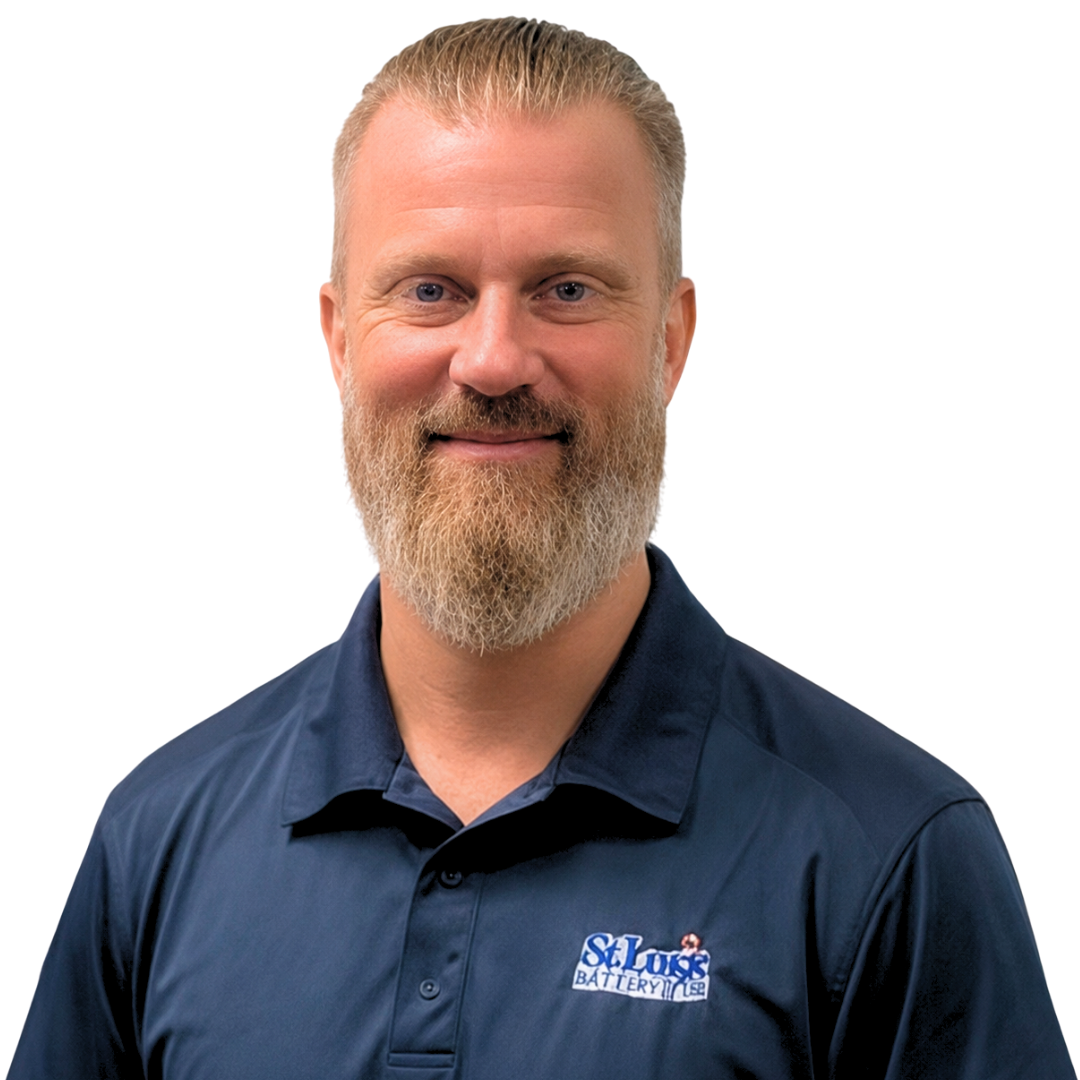
Jeff Deans is Vice President of St. Lucie Battery & Tire, an 18-location tire and automotive service company based in Florida. His operating experience covers tire shop customer service, centralized phone support, reputation management, customer retention, and multi-location growth.
During the company’s expansion, St. Lucie Battery & Tire built a six-person call center to handle advertised phone lines, appointment scheduling, and customer follow-up. Deans also works on the shared services and technology required to support further growth.
In this episode…
Busy service counters divide an advisor’s attention between the customer in the store and the caller on the phone. St. Lucie Battery & Tire addresses this conflict with a six-person call center that answers tire questions, manages appointments, and follows up with customers while store advisors remain focused on face-to-face service.
Deans connects this approach to a broader view of tire shop customer service. Advisors need to avoid judging customers by their vehicles, take ownership of service problems, and recommend tires based on driving habits and long-term value. The same discipline guides expansion as the company strengthens its technology and shared services before adding locations.
Here’s a glimpse of what you’ll learn:
[03:12] Customer acquisition in a growing tire retail market
[06:50] Centralized call handling and front counter service
[13:11] AI-assisted sales coaching for tire retail teams
[15:55] Tire recommendations based on driver needs and vehicle requirements
[18:34] Resolving service issues and restoring customer trust
[27:41] Building operational capacity for multi-store expansion
Resources mentioned in this episode:
- Jeff Deans on LinkedIn
- St. Lucie Battery & Tire Website
- Tread Partners
- Gain Traction Podcast on YouTube
- Gain Traction Podcast Website
- Mike Edge on LinkedIn
Quotable Moments:
- “You give what they need on the phone, they’re going to come in to see you.”
- “We take every opportunity with every customer real serious, and we try and capitalize and make the most of it.”
- “When something doesn’t go right, just put it in a headlock.”
- “And once they understand that they are important to you, it becomes an us against the problem type situation instead of them against us, even though we’re there to fix it.”
Action Steps:
- Measure counter interruptions. Track call volume, abandoned calls, and interrupted customer conversations during one full shift.
- Assign phone ownership. Route calls to a dedicated employee or centralized team with access to scheduling, pricing, and inventory.
- Protect tire shop customer service. Keep advisors focused on active repair discussions instead of routine phone coverage.
- Review capacity before expanding. Resolve gaps in staffing, technology, and shared services before adding another location.
Transcript
00:00
When you’re a 50-year company, it’s really easy to get relaxed. You really have to do your best to to stay out in front of the customer base, keep yourself fresh and new, and pretend like you’re the new guy every day. Opportunity may only knock once, but temptation will beat your door down when something doesn’t go right. Just put it in a headlock, get real sympathetic with the customer, just own it.
00:24
Welcome to the Gain Traction Podcast, the official podcast for tire business. I am Mike Edge, your host, and I have the great privilege of connecting the industry by interviewing the best people who work in tires and auto repair. This episode is powered by Tread Partners, the leader in paid search marketing, which includes Google Ads and LSAs for multi-location tire and auto repair shops. To learn more about Tread Partners, visit treadpartners.com. Hey, folks! Welcome to the Game Traction Podcast, the official podcast for tire business. My guest today is Jeff Dean’s vice president of Saint Lucie Battery and Tire, an 18-store operation in and around Fort Pierce, Florida. Jeff, welcome to the Gain Traction podcast.
01:10
Mike, thank you for having me. I appreciate it.
01:12
No, it’s an honor. You and I have gotten to know each other, I guess, over the last I don’t know four or five years, and then yeah, I actually had Doug on there. He was one of my early guys, I think, if you remember. And this back before we did videos. So, and I’ve been down in your offices before. I think, I think I was down in the area one time and came to see you guys. And you guys had some nice stores. And obviously, being close to the beach was absolutely fantastic.
01:41
Doors always open. Doors always open. We get a lot of visits come December through March from reps and whatnot. So it’s a it’s a pretty pretty nice place to be year round. Hey,
01:53
you get them calling you to come see you, right?
01:56
Oh yeah, absolutely.
01:58
I went to see if a friend of mine in the industry, you may know his name, Jared Lindine. He’s with Trusted Tire in North Dakota, and I told him one time. I said, “I’m I’m gonna come see you, and he goes, “No, you won’t. And he goes, “Nobody comes to see me, and I said, “No, I will. He goes, “No, you won’t. And I go, “I promise you, I’m going to. And it took me two connections to get to him, but I did, and I told him though I say I’m not, I will not come in the winter, and he’s like, “You sissy, and I’m like, “Yeah, I trust me, I’m not battling that, but I will come in the summer, and it’s actually quite pleasant up there in the summer. But it was funny because you’re in the environment where I can see, yeah, you get people excitingly wanting to come see whether it’s genuine or not, they’re coming. They want to be in the area, but yeah, I I’d love to come down there. I love that area anyway. I like I like the Atlantic. I like I like Florida in general. Period. So it’s Florida’s
02:55
interesting state. I was born and raised here, so you know, native Floridian, and I love it so much. I vacation on the west coast of Florida, so I live on the east coast. And you know, when I want to get away from things, I drive three hours over to Tampa, and I act like a tourist.
03:12
Jeff, that cracks me up. That’s awesome. Well, you know, one of our topics was we’ve been talking about this, but what do you do, you guys at St. Lucie? I mean, you see a lot of new people, a lot, don’t you?
03:26
Yeah,
03:27
yeah,
03:28
yeah. Not only
03:30
tourists, but you’ve got you’ve got an influx of people moving in. So it’s not, and then you got your tourism season where you it probably bumps up as well.
03:39
It’s a it’s an interesting flow of traffic in Florida, and it used to be a lot worse in the summertime. It was very winter-driven, and our snowbirds provided you know everything to our economic development that we could hope for, and it’s kind of you know starve and hope to survive through the summertime. That’s changed pretty dramatically post COVID, and we still have a really solid influx of people moving into the area. I live in a part of Port St. Lucie that has a major interchange at the I 95, and the traffic flow south every morning for those that commute is insane, and I think we have currently another 17,000 homes being developed in developments in and around the Port St. Lucie area. And as soon as they’re built, they’re filled. So the opportunity to gain new customers and try and stay out ahead of you know the competition. When you’re a 50 year company, it’s really easy to get relaxed and just say people know about us. We’re here. We know we’ve been here. They know we’ve been here. That’s not the case anymore. You know, you really have to do your best to to stay out in front of the customer base, keep yourself fresh and new, and. You know, continue to try and pretend like you’re the new guy every day, and and you have to continually impress these new folks, and just don’t take anything for granted.
05:12
Man, that’s so well said. So, what do you guys do to stay on that forefront? Because you’re you’re definitely always in the acquisition mode, and not that everybody isn’t. I mean, we all have to be that way. But you really you you’ve got your tourist, and then on top of that, like you said, you’ve got the influx since COVID of just new people moving in, and I mean, 17,000 houses, dude, that’s a lot.
05:40
Yeah, and that’s just you know new construction going up, and and and that number fluctuates every time there’s a land deal and a and a new approval for a for development. So it’s a matter of you know really being really being picky and choosy with your advertising, how you reach people, how you think you’re going to reach them. You know, used to be you could rely on word of mouth, and now it’s your Google ratings or your word of mouth, and you know how your Google My Business appears, and whether or not your map pack is current, and whether or not you have business hours posted. How easy can you make it for the customer to communicate with you is something that we’ve been really focused on over the last couple of years, we do operate a call center, so all of our advertised phone numbers come into one one office, and they take the time with the customer. For those that want to talk about speed ratings and UTQG ratings and the odd questions about tires that that need to be answered for the sake of dignifying a customer’s question, but you know you can’t always have that happen on your front counter. So we take every opportunity with every customer real serious, and we try and capitalize and make the most of it.
06:50
So that call center, that’s a cool thing that you’re doing. I know not quite as large as an organization as yourself, but you know there there’s a couple of them I can think of that that that are talking about doing that. And how efficient was that for you? What was the change? How big a difference did that make for you guys?
07:12
In 2014, we were part of a DSP20 group, and I went to a meeting at I believe it was called Davis Tire in North Carolina, and one of the features of the 20 group was we would go and we would grade the store, spend a couple hours there, and see what the effects were, how things moved, and graded it out based on how we run our business. And my opportunity was at the front counter, and I noticed that the people at the front tower were watching people arrive, and they had work orders and they knew who they were and they knew that white Camry belonged to mr. Smith and he was here for an oil change. They walk out and they grab them. The phones weren’t ringing and I commented on that and he said, “Well, we we take all the phone calls from the call center so that the people in the store can handle the customer at hand who wants that face to face attention, while we handle the you know customer on the call, so I saw it. I came back, and it wasn’t two three months later. We were building walls in our main office and calling our IT company to plumb in phones. And we started with started with two associates, and that’s now grown to a room of six, and it is extremely efficient. When you hear the calls in the call center, the booking of the appointments, the fluidity that’s involved with some of the other features that we’re running, like auto ops, confirming appointments, follow-ups. Hey, you missed. Can we reschedule that for you? That type of thing. I think it it provided a lock the company into the customer experience overall. For those that can support it and are big enough, I I highly endorse giving the customer what they need on the phone. You give them what they need on the phone, they’re going to come in to see you.
08:55
Man, you know you’re letting it’s almost like you’re letting your best players, your counter sales reps, they have to encounter encounter people, do what they do best without being interrupted by a you know a phone call that just sets things awry. You know, you never know what could happen on the phone call, but when that guest is coming in, that customer, and you already know why they’re there, they can give that full attention without the stress of that phone ringing that causes us all kinds of stress anyway. Because you know you get two or three lines going. It’s just it’s chaos. So, man, that’s I the way you described it is the best way I’ve heard the best effect I’ve heard. You know what it makes me think of? You’re are you a sports guy? I am. You like football?
09:36
I do.
09:37
So my brother’s a high school football coach, and years ago he changed a high school that had, you know, just kind of the traditional ground and pound philosophy into a high octane offense that used. I don’t know if you remember this guy or heard of him, but his name is Tony Franklin. He’s a very sharp offense coordinator in college football, and he created a system for high. To use, and it started with the wristbands, and the idea was: listen, when a kid comes out of a huddle, he doesn’t need to be thinking about what the heck am I doing here? Am I doing you know like a wide receiver doing a pattern? Am I supposed to do 10 yards up or out, or am I going out or in, or what am I? He said, “I want them concentrating on how to beat the defender in front of them, and and then getting the pattern right. He said, “So if we can put the little codes on a wristband, he said, “then I get to let my players be athletes, which is the best way I can. What I’m eliminating too much thought. All I all they need to do is look at the wristband and know the pattern they’re going to do based on the play that was called. So now they don’t even have to huddle, and and it sped up the offense because they could just chirp out whatever signal on the wristband, read it, know that the position they’re in. That’s what they’re what they’re going to do. And everybody had different wristbands based on their position. Well, I think of a call center is kind of that way now. I never looked at it this way until you start talking, and how you said it made things efficient, but it made a lot of my people to be able to, like the example you mentioned in Davis up in North Carolina, where they they were able to just focus on that person coming in. Well, that’s kind of like that athlete. He just gets to focus on what I already know what I’m doing. I don’t have to think about it and stress. Am I going to get the play right. I already know, and I can focus on beating this guy. Whereas in the customer world, I know what I gotta do. I just gotta go take care of this person. I’m going outside and greeting them. And wow, I think there’s, I think there’s layers. It’s, it’s dawning on me that’s not just efficiency with the phones, but it’s, it’s layers of of real contact with the people and layers of benefit in there. If that makes sense,
11:45
it’s absolutely right. That’s absolutely right. You know, by the time you air this, there’ll be a business owner that views it, and while he’s viewing it, someone in one of his stores will be trying to pitch a brake job to the customer that’s in front of him, and just blowing a sale on a set of Michelin’s while he’s trying to answer the phone, so you can’t do this and that and expect the customer to respond with you know any level of dignity while you’re not giving them the attention that they deserve. It really gives you an opportunity to to be that salesperson and to to talk it through with the customer in its entirety. It’s not about hey you need breaks and it’s going to be 350 bucks. And hey, your missions are $1,200. No, not today. No problem. No, not today. No problem. Wrap it up, and you end up losing both. Just doesn’t make any sense at that point. So
12:30
it’s it’s almost Jeff. It’s almost like that scripture. You can’t serve two masters. You know, you’re trying to serve two masters when you’re divided like that because you can’t you can’t be that enthusiastic and focused on someone’s needs or their emotion at the time. Like if you know when you say you drop a price down, that that you could tell they flinch that a little bit, but you know they need tires. You know they’re ready to buy. You’re if you’re on your game, you’re going to be able to say take them either you know like a tier two or tier three maybe, or you can offer financing or something like that. But when you’re not in the game and you’ve got to answer this other call, man, you don’t you don’t get that chance to interact.
13:11
We’re taking a look at a couple of AI tools right now that are conversational analyzing tools that help salespeople check boxes, and it won’t do much for the live version of what’s going on in front of you. But for our phone interaction, you know, we like to make sure that we’re talking about warranty. If it’s pricing, is it is it going to be? Is there a finance option that that suits your needs? You know, did we check all the boxes for your concerns? Do you understand that this is, you know, not necessarily the reason why you came to see us, but we’re letting you know that there’s, you know, something that needs to be taken care of on your car that’s a today type thing, if possible, and we want to go through, we want to check all those boxes with our customers, and we like to think that we get the majority of it right because our close rate is good, and we do a really really good job with our customers and you know, fulfilling appointments and things of that nature, but you know, are we, are we, are we checking every box with every customer, and and do we understand that whether or not we grade that customer and qualify them as well? You know what, they got plenty of money and they shouldn’t have a problem with this brake job. You know, is that the case in their personal life right now? And and when you take those types of prejudgments out of the situation and you just go through and a script is a script and it’s there for a reason and there’s a reason why there’s a reason why police read your Miranda rights from a card these days right you have to get it right and and getting it right on that phone call, as well as the customer in front of you, is something that we really, you know, spent some time focusing on, and we want to continue that as well. AI AI will do a lot for you. We don’t want it to do it all, and we don’t want to lose that personal touch with the customer. But we we do need some coaching from time to time.
14:57
But it’s cool because you recognize the value every. Process oriented, right? I mean, and we don’t want to be robotic as human beings, but it reminds us that there’s a process of certain questions that need to be asked to fulfill a potential customer’s needs. And let’s do it, and let’s do it right.
15:15
We have a lot of good plans, and and they they get ruined by poor execution more often than not, so you have to be really, really careful how you roll these things out. But you know, there’s ways to be successful with with call centers, with customer contact. You know, understanding the value of how much money you spent just to get that customer to ring your phone. That’s it. Yeah, and and and that’s it. Every every call, every phone call is an opportunity. No matter no matter how silly it may seem, no matter whether or not you can fulfill their need or not, it’s an opportunity to converse with that customer and get them to speak to you in a way that you know you gain their trust. And if the if they couldn’t use you today, hopefully they use you next time they really really need you.
15:55
So switch topics here a little bit. What’s what’s your I just I like to ask this question once in a while, but what tier is the best-selling tire for you guys right now?
16:03
So it depends. It really depends on the salesperson. I am a so I’m a Michelin guy, right? My personal vehicle. I you know I got Michelin’s on it. I’ve always enjoyed the ride. The designs in the last few years have left something to be desired. However, you know you get them out on the road. Prove they prove what they can do, and and I’m happy. So I’m a Michelin guy. My advertising agent came to me with a this little Honda Accord he got and thinks it’s a race car and chewed through his factory tires a little bit faster. And I went through and kind of studied what I thought would be best for him and his habits, and I came to a Continental. I don’t sell Continental, not a huge Continental dealer, but I believe that that was the right tire for him and his application. So we got him and we put him on him, and he absolutely loves him. Fantastic mileage, everything about it. My favorite brand of tire is the tire that I think is going to be best for the customer their driving habits and whether or not they can get the dollars per mile that I’m selling them on, and whether or not it’s feasible for their vehicle. The first time I ever got really stepped on by a customer by qualifying them based on the vehicle they drove, it was a it was a 15 year old Toyota Camry with 300,000 miles, and the gentleman had Michelin’s on it, and I immediately went to a mid-tier tire, just thinking that I was just lucky to get the sale. And he said, “Son, you don’t have a Camry with 300,000 miles on it by not doing Michelin quality work. And and after that, it became you know you’re going to get pitched you know three tiers, and you can make a decision for yourself, and we can talk about the the qualities and the attributes of that tire. But really and truly, like you know, we’re we’re we’re a big Toyo dealer, right? Love selling Toyos. Not every application is right for every single car, and doing what’s right for your customer, you know, past maybe what’s right for your for your meeting, your sales quotas is is an important step. It’s important part of the process.
18:07
That’s well said. I like it. I like your answer. I mean, ultimately, it’s what the customer needs, right? Because you’re
18:14
gonna, if you’re lucky, you’re lucky. You’re gonna have to deal with that customer through the warranty life of that tire, so you better get it right. You know, you want to see him on that first mile. You want to see him on that 60,001 mile, so that you can sell him a new set.
18:30
Yeah, and they say, Jeff, I trust you. What do I need now? Yeah,
18:33
that’s it.
18:34
Yeah, no, that’s a great. That’s a great answer to that. One of the things I like to ask folks too: Is you got any lessons along the way? Any anything that stands out to you that you’ve learned in this business? Because you’ve been in it a while, and yeah, you’ve got a lot of expansion seasoned
18:55
ownership of problems. When something doesn’t go right, just put it in a headlock. Get real sympathetic with the customer. I can’t believe you’ve been through that. I can’t believe you waited that long. That’s tough to stomach. What can I do for you? We take our take our Google ratings real, real, real serious, but also our word of mouth. Everybody loves to jump on Facebook, and and you know problems happen if you’re going to run 18 stores and you’re going to run high volume. Something’s going to happen, and when you get to that point of something happening, you know several opportunities present itself with with a problem in a shop, and one of them is you know training. We don’t haul off and fire anybody. Our people know that. You know, when there’s a problem and there’s an issue, let’s talk about it. Let’s get in front of it before it’s a customer issue. They know I’m going to give the customer what they want and what they need, so it’s in their best interest to handle it before I have to get to it. But also turn it into a training lesson. You know what did we learn from this? What happened because of this? What did we overlook? Situation the other day with a customer and their Subaru didn’t didn’t ride right, and a customer knows how their car rides, and they were unable to let us know that they had hit a curb or a pothole or something real bad on the right side, and only after a real real real thorough inspection. Did we realize that the sway bar had a different contour on it on one side than it did the other, and that’ll certainly tighten up that side of the suspension. I meet with the customer. I let them know, hey, this was certainly overlooked. This is the cost of the part, and I’ll do it for the cost. And know what can I do to to regain your trust? And you know there was a problem there, and it was it was undiagnosed by two of my shops. But by the time you know you get to it and you really handle it, just own it, absolutely positively own it, and let the customer know how much you care, and you know hopefully you get a second try at it. So for me, just a slice of humble pie every single day, keep you in front of the customer and let them know that you know their needs are important. A lot of the time, it’s not about the flat tire; it’s really about the soccer practice that they’re missing or the appointment that they’re late for. You know, really, really kind of getting in bed with them and pulling the covers up and making sure that everybody’s warm and and you know, you know exactly what they’re going through on that day will really change the dynamic of your your customers’ needs. And once they understand that they are important to you, it becomes a us against the problem type situation instead of them against us, even though we’re there to fix it. So, just
21:37
what that’s so well said. You you you got you’ve said it some way that I’ve never heard before. Just get the problem and put it in a headlock. I love that. I mean, not only own it, but just grip it. I mean, that’s
21:50
Make it your girlfriend. We’re gonna fix this.
21:55
We’re gonna get along. That’s fantastic. What’s your favorite hobby?
22:03
I play golf. I really enjoy golf. You know, Florida.
22:08
It provides a good opportunity for that, doesn’t it?
22:10
Yeah, yeah. Being in Florida, you know, you get to play year round. I will go out on a July or August afternoon when it’s you know 105 degrees on the green, that’s my enjoyment. Owner loves to fish. Lots of folks within the building love to fish. Lots of boaters, lots of water life. I have three small children, so the majority of my hobby now centers around Disney World. When you’re when you’re basically a nap cycle away from Disney, you know, you load the kids up; they’ll sleep for an hour or so, and and you next thing you know, you’re you’re at Mickey’s house and give the kids a lot of lot of love and attention. So, I’m going through the second round of fatherhood, and we’re really excited about it. So, my hobby my hobby is a distant second to just about anything I can do with the kids these days.
22:57
No, I hear you there. So, does Disney? I’m just curious. Do they have like a? You can buy like a pass for the year or something like that.
23:05
Apparently, you can buy a season pass. Yeah, and and you can also pass your three year old off as a two year old for at least six months to fly under the radar. But yeah, your season pass. The wife is um is real slick with it. You buy one every couple of months and it doesn’t hurt nearly as bad. But yeah, yeah, we find ourselves turnpike north quite often.
23:32
That’s funny. That’s super though. I mean, that’s but you know, there’s a lot to do there. There’s a lot to see, and you know, us, us. It was an interesting
23:43
state. You know, everybody thinks it’s either Mickey’s house or Miami, and there’s a lot to do in between. You know, golf, fishing, water sports, everything outdoors you can possibly imagine.
23:54
What’s the big What’s the big lake in the center of the state that’s a big bastard? Yeah, Okeechobee. Yeah, Okeechobee. I’ve got a buddy of mine that’s from Kentucky. He goes down there every year and fishes.
24:04
Bassmaster tournament, big host. It’s a big lake. It is a large body of water. Yeah, they’re doing really good fishing across the lake. So
24:12
you got, I mean, like you literally, you’ve got bass fishing, which is fresh water. Then you’ve got obviously all kinds of deep sea fishing, etc. You got golf. I mean, it is a great state. You know, I I don’t know if I told you this when we prepped for this call and talked, but I I got my first opportunity to drive the entire Panhandle, and wow, I mean, that’s like you know you’ve got a stereotype about Florida being sand and beaches, but if you’re there, I mean, you just feel like you’re just in some rural part of any state, really. It’s it’s, you know, and it is quite isolated. You’re not, you know, you’re you’re not close to towns if you’re not close to the beach. I mean, it’s you can go for quite a while, and it’s just really beautiful and rustic its own way. Like there’s.
25:00
There’s
25:00
actually hills,
25:02
yeah, yeah, yep, yep, yep, yep, yep. There’s uh hills and there’s scene. Brooksville, Brooksville is a wonderful, wonderful example of a just a little town with a couple of really good restaurants and some some beautiful scenes and beautiful views. But there’s a lot of that in Central Florida that people you know just drive past. The majority of the the majority of everything happens along the coast. So you know all your I 75 traffic, all your I 95 traffic, everything kind of happens on coastline. But the interior floor is absolutely gorgeous. Love spending as much time on the inside as I can. We do have a store at Okeechobee right at the top of the lake, and making making my way out there last week. Go see those folks. Lots of cows, lots of cow country, lots of farming, lots of agriculture. There’s a there’s a whole other Florida that operates even outside of you know what we lost with citrus. The citrus industry kind of you know moved to South America for the most part. There’s still some you know 100-year groves that are still growing, and Indian River County still has their claim to grapefruit, and you know we still have good groves here in Fort Pierce. Nothing like it was, but that land just changed hands to cattle producing, to different forms of farming, lots of strawberries, blueberries, lots of berry farming in Florida. You know, there’s always something growing in the ground year round.
26:27
That’s that’s beautiful. Do you you ever believe the citrus business will come back?
26:32
I don’t. Government makes things weird, and and you know when you when you lose that land or farming gets harder, and the advantage moves to import business. It’s really, really tough to get away from that. So, with the, there wasn’t really a problem with migrant workers in Florida for a long time because there were avenues that were made for those folks to come and work, work visas and and and make it back to wherever they were from, so that really didn’t pose the problem for us. It was more on the lines of we had a greening issue, the you know freeze and and does really really you know bad things. We had a freeze, you know, several years, and once you once you work your way down, it was really really hard to get the number back up. So I don’t think it’s ever going to come back the way it was. Not to mention, you know, when you talk about the developments and the housing structure and everything that goes up, that land is far more valuable with houses on it, and that’s sad to say. But it’s just the honest truth. Do
27:41
you guys see yourselves growing to more stores?
27:47
We do. So we had a growth spurt for about the last 10 years, where we doubled in size and we got to that 18 mark. There was a time when we were trying to reach 20 stores by 2020. That time is is long gone. 30 by 2030, though, is possible. We’ve kind of taken this year off just a little bit to reorganize ourselves, kind of get up to speed and up to times on some of the things that we’re slacking on and being current with technology. You know what your company. I like that
28:22
about you guys. You’re not. You don’t just set the goal and go for the goal just because it’s out there. You go for it as long as it’s you know feasible. It’s right. You’re not gonna. In other words, you always feel like to me that you’re not growing just to get to a number. You’re gonna do it right and make sure that you know it. It just makes sense. So, like, if you come up against like you’re saying this year, it’s more like just kind of making sure systems are in place and recalibrating or whatever. I like that. I mean, you you it’s not like you felt like you had to keep hitting the gas pedal. Like, man, we we’re supposed to be at 20 stores in 2020 or whatever. We got to be there. That’s not that’s not your oh end all be all then.
29:02
Opportunity may only knock once, but temptation will beat your door down. So it’s a matter of just being, you know, you just saying, “Hey, listen, you know, I know this little gas station, two big garage, looks sexy, and we could definitely move some tires out of there, but but that’s not us, and you have to move past some of those opportunities and just say, well, you know, even if we worry to go into that situation, you know, what does it look like for us two three years down the road to get it up to you know where we think the shop should be and how we think the shop should be operating? So not not everything is an opportunity. Recognizing that and being able to look past some of the the the knocks that you get on your door, and just making sure you’re doing what’s right for your company and getting as close to the getting as close to the business model as you possibly can before you you know start painting the outside of the building. Is real important to us, and we didn’t really do a whole lot to expand our shared services internally. So our HR needed a lot of assistance, accounting needed a lot of assistance, and you know we were we were running the same on the inside for 10 stores as we were for 18, and we realized we were just busting the seams. So we’re just taking a little bit of time off to absorb you know what’s available to us. How can we make the company stronger? What does scaling look like? Are we ready for it internally? And we’re spending some time on that this year.
30:29
That’s great. You know, I can’t thank you enough, Jeff, for being part of the Gain Traction podcast. You really have been a super easy interview, and you really provide a lot of wisdom. And it’s it’s been pleasure having you on.
30:43
Absolute pleasure to be here. Love the interaction. Anything we can do, you know, within our businesses specifically to just to make them better, stronger, remove some of the stigma of, you know, getting ripped off and hating to go to the tire store. You know, everything’s expensive these days, but what can we do to enhance the experience of our customers and keep them coming back in the door? You know, when you sell a product that should last 60,000 miles, you should expect to build that relationship with that customer for that period of time. So yeah, love it. Love being on. Very much appreciate your time and the opportunity to talk with with your listeners. And good luck to you in 2026.
31:22
Thank you, Jeff. We’ll have you back someday. Hey, folks. Mike Edge here with the Gain Traction podcast. Real quick, we get a lot of people ask us. They know Gain Traction, but who who’s Tread Partners? Well, Tread Partners is our parent company, and they’re a marketing agency dedicated strictly to tire and automotive repair shops, anywhere from five locations all the way up to hundreds of locations, and primarily one field that is always a pain for most people is paid search or PPC or Google Ads. We see enormous amount of waste in it, and we see inefficient spend in it. If you want to know if you’re doing well or not, give us a call. We’ll help you. We’ll audit your account. We’ll look under the hood and tell you if you’re doing things the right way or the wrong way, and help you optimize that spend, you can reach me, and I’ll direct you in the right direction at [email protected], or feel free to go to treadpartners.com the website. To all our listeners, thank you for being part of Gain Traction. If you’d like to find more podcasts like this, visit Gain tractionpodcast.com. If you’d like to make a guest recommendation, please email me at [email protected]. This episode has been powered by Tread Partners, the leader in paid search marketing such as Google Ads and LSAs for multi-location tire and auto repair shops. To learn more about Tread Partners, visit treadpartners.com. Don’t forget to like and subscribe. We will see you here next time on the Gain Traction Podcast.
Sign up for the newsletter!
Get notified about updates and be the first to get early access to new episodes.