
Search.
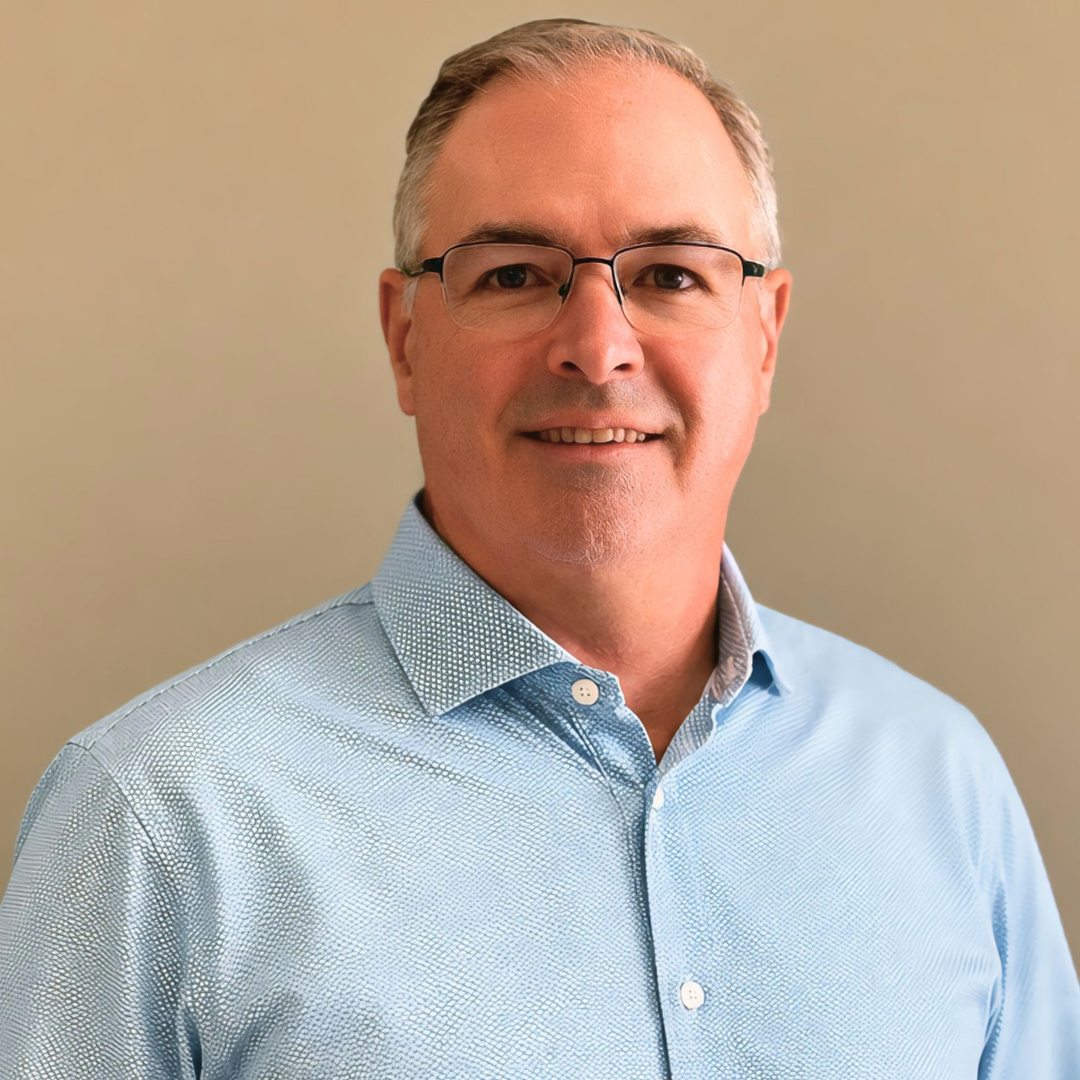
Jim Noblitt is the District Manager at Auto Care USA in Houston, Texas, with more than four decades of automotive experience. He entered the industry in 1979 as a mechanic’s helper, advanced into technician and dealership roles, and later helped launch Cornerstone Automotive; a business that contributed to the early operating model behind Christian Brothers Automotive.
Noblitt went on to build and operate Mission Car Care in Katy, Texas, for 20 years before selling the business in 2022. His experience as a technician, owner, consultant, and multi-location operator gives him a practical view of recovering lost profit in an auto repair shop through disciplined processes, stronger financial controls, and better use of shop data.
In this episode…
Revenue does not disappear only through weak sales or low car count. It also disappears through unreturned cores, defective parts, missing credits, incorrect shipments, and paperwork that never gets reconciled. Noblitt estimates that these overlooked details can represent four to five percent of annual sales losses, money the shop has already earned but failed to collect.
Multi-location operations carry even greater exposure because the same process failure repeats across every store. A return shelf filled with aging parts represents trapped cash, and an unverified credit slip represents money that has not reached the bottom line.
Shop metrics expose another layer of lost opportunity. An extremely high close ratio often signals that advisors are presenting only the customer’s original concern. A very low close ratio signals that customers are receiving large estimates without clear priorities. Digital vehicle inspections, average written repair orders, and close ratios reveal whether advisors are identifying needed work, communicating value, and separating urgent repairs from services that belong in a future visit.
Recovering lost profit in an auto repair shop requires owners to study what the numbers are saying, assign accountability for routine financial controls, and correct small operational gaps before they spread across multiple locations.
Here’s a glimpse of what you’ll learn:
[01:17] Jim Noblitt’s four-decade automotive industry career
[03:25] Advancing from technician to dealership operations
[04:12] Helping shape Christian Brothers Automotive’s early model
[08:46] Building and selling Mission Car Care after 20 years
[12:20] Applying decades of experience through shop consulting
[14:24] Recovering profit through stronger parts return controls
[18:55] Using shop metrics to diagnose operational weaknesses
[22:54] Why experienced shop owners still need business coaching
[24:34] Leadership built on fairness, trust, and quality work
Resources mentioned in this episode:
Quotable Moments:
- “The numbers will usually tell you where your holes are.”
- “Knowing your numbers is so important.”
- “You’re presenting all the facts now.”
- “Nobody cares like the owner, you know.”
- “Do a good job and treat people the way you want to be treated.”
Action Steps:
- Audit every return shelf tomorrow morning.
- Assign one person to own parts returns and credits.
- Create a weekly return-credit report for every location.
- Review close ratios beside average written repair orders and DVI results.
- Build recovering lost profit in an auto repair shop into the management scorecard.
Transcript
00:00
Mark and Tony were church buddies and all their buddies from church used to go see Mark. Well, Tony’s shop was now closer to the church so everybody started coming to us instead of Mark and he was like, hey, wait a minute, this isn’t cool.
00:17
Not very Christian of you, right?
00:19
Exactly.
00:20
Welcome to the Gain Traction podcast, the official podcast for tire business. I am Mike Edge, your host and I have the privilege of interviewing the tire dealers, shop owners, counter sales reps, technicians, industry executives and other thought leaders of our industry. This episode is brought to you by Tread Partners. Tread Partners is the leading digital marketing agency that specializes in digital marketing for multi location tire and auto repair shops. Tread Partners works with clients that have hundreds of locations, down to five locations. Get a professional, unbiased opinion and let Tread Partners review what you’re doing. It starts with a simple conversation. To contact tread partners, visit treadpartners.com so let’s get started. Welcome to the Gain Traction Podcast, the official podcast for tire business.
01:05
My guest today is Jim Nobilett, district manager for AutoCare USA in Houston, Texas and couldn’t be more pleased to have you. Jim, welcome to the Gain Traction podcast.
01:15
Thank you Mike. Thanks for having me on.
01:17
Yeah, we had a great conversation a few weeks back and I look forward to diving in and learning a little bit more about you and letting our audience know a little bit about you. And you’ve had a long distinguished career. So why don’t we start from the beginning and let everybody know where you’re from and how you got to automotive world.
01:38
Well, you were right when you say I have a long career in the industry. I started actually in 1979 as a.
01:47
Did they have cars back then?
01:50
Yes, they did. Believe it or not.
01:54
I had to say it.
01:55
No, believe me, I’ve heard it. I started out as a mechanics helper at tire store and I did linemen from the time I got there at 1 o’ clock till 6 o’ clock in the evening. So it was just one after another and so I got pretty good at it. And back then front ends on cars used to wear out a lot. Idle arms, pitman arms, tie rod ends, etc, so there was a lot of work in the front end side of things. Now with rack and pinions we see some front end wear but not near to the extent that it used to be.
02:34
Yeah, I feel like I remember those days. I always my dad. So I, I didn’t get my driver’s license to the mid-80s, but I remember when I got it, my. We always seemed like we had tie rods and things like that went, went south because I was always driving an older model anyway.
02:53
Yeah, they definitely used to go through a lot like an idle arm back in the day. They would seem like they would go out around 30,000 miles. You know, they were. Front ends would be loose and you would go to line it and the front end would be so loose that, you know, it was pointless to try to line a worn out front end.
03:13
I. No, I recall that a few times. So that’s where you started. Then how did you migrate to where, you know. Tell us a little bit more about your migration to where you got today.
03:24
Well, so I, I was, you know, originally, like I said, started out as a mechanics helper, went on to become a mechanic and was served as a mechanic for many years. And I, I wanted to try working at a dealership because I wanted a five day a week opportunity. And that was quite the experience. You know, it was. They. Dealers typically see everything under warranty and so when they get out of warranty, the stuff that we see in the independent aftermarket or you know, away from the dealerships, it’s a lot different. You know, there’s pattern failures as well. But the things that wear out under warranty versus what wears out later is usually night and day difference.
04:11
Yeah.
04:13
But went on to become as. When I was working at the dealership, I got a call there and they answered the phone. Had to figure out where the phone was. It’s the phone. And it was a man named Mark Carr. He was the, he’s the founder of Christian Brothers Automotive. And he said hey, starting helping a friend of mine start a new shop, we’d be interested to talk to you. So I met with him and the gentleman that he was helping start a new shop. His name was Tony Gregory. And Tony was. Had a background in the home building. He was a home builder, built custom homes. And so long story short is he told, you know, Mark Carr ended up hiring me for Tony. Tony was green as they come, but I knew the industry really well. So it was a good fit.
05:16
We started Cornerstone Automotive in 1992 and it was, we had the one location and Tony literally didn’t know which end of the wrench to use. And so he was relying on me for everything. But about that time I became a Christian right before I went to work for Tony. Well, Tony was a really solid Christian guy and so he taught me what it meant to walk with God on a Daily basis. I taught him the automotive industry and I got the better end of the deal.
05:53
You might have gotten a better end on that one.
05:54
I certainly did.
05:55
You’re a good negotiator, I can tell.
05:58
I got a good deal on that. But anyway, Tony became a really close friend and mentor to me and I was with him for 10 years. And so Mark Carr saw that he could take a good person and put him in a shop and surround him with knowledgeable people and they would be just fine and his shop would do well and prosper. And it did. And so funny story is Mark and Tony were church buddies and all their buddies from church used to go see Mark. Well, Tony’s shop was now closer to the church. So everybody started coming to us instead of Mark and he was like, hey, wait a minute, this isn’t cool. So.
06:46
No, not very Christian of you, right?
06:49
Exactly. They were like, hey. And it was just a convenience thing, really.
06:53
Yeah, absolutely.
06:55
They, they built, they put in partners and built another location together. And that lasted for about a year. And they were, you know, send all of their church buddies over to that second location. And the funny story was is, you know, there’s just two different personalities for business partners and so they went their separate ways. But that’s the cool part of the story is that’s where Mark got the concept of the franchising of the Christian Brothers. And so they, that’s kind of their business model to this very day.
07:34
And that’s something. And that started with the store that you had started with the three. The other two got Mark Antony.
07:41
Correct, correct.
07:42
And they went in business together, but they had the model figured out from what you guys had done and then it basically took off from there. Or he, Mark took it off from there to create Christian Brothers.
07:54
Correct, Correct.
07:55
Wow, that’s a great story.
07:57
It’s funny, I’ve watched Mark go from one store to Christian Brother. He’s, I believe he’s retired now. His son, I believe, is the president and CEO now. But I think they have 300 plus locations nationwide.
08:11
They’ve just really now are they all franchises?
08:18
To my knowledge, about 95% of them. The only ones that are not franchise, that are actually company stores, they’re. They’re either, you know, the franchisee had illness or whatever, and so the company bought it back from them.
08:34
I got you.
08:34
They’re looking for a new franchisee, but all of their stores, to my knowledge, is franchise stores.
08:40
That’s awesome. So what did you do? How long did you stay in that.
08:44
Position, I was there for 10 years and there’s something came about of Tony was having a difficult time at one point at shop I was at, you know, it was just bottom line, wasn’t making good profit or something to that effect. And he said, hey, would you be willing to go back to work as a tech? Because I had a pretty solid salary. And I said, well, let me think on it overnight. And said, I, so I came back and the next day I said, yeah, I’d be willing to do that, but at our second location, not at this store because everybody that calls would be asking for me. So I would never get anything done. So he thought about that and he’s like, no, we’re not going to do that. So long story short, after that I started looking for my own business.
09:42
I thought, you know, if nothing else, if times get tough, I’m going to be the last one to go. If it’s my shop, I’ll be the last one to go. So I started my own shop in Katy, Texas in 2002. It was called Mission Care.
10:01
Nice.
10:02
And we had Mission Care for, for 20 years. We sold it in August of 22.
10:09
Congratulations.
10:11
Yeah, thank you.
10:12
Katie and Katie. I remember between Katie and Houston is like one of the widest freeways in the world, isn’t it?
10:21
It’s massive. I think it’s. Some places it’s 10 lanes, 10 to 12 lanes wide.
10:27
That, that, but that’s just going one way.
10:30
No.
10:31
Well, okay, I thought it was, I thought it was, I thought it was listed as one of the largest in the world. But anyway, that’s aside the point. I just remember driving on it and nobody’s going under 80, it felt like, and which I kind of like. But you still got to be on your toes, you know.
10:47
Well, starting about 4:30 this afternoon, nobody will be going over 20.
10:52
That’s a fact. That’s a fact. So, so you sold it in 2022 and then you’ve been consulting since then, Correct?
11:03
I, I, after we sold in 22, my wife was working with me at the shop. My famous words when we opened a shop, it’s like, hey honey, can you answer the phone for me for just a couple weeks, two or three weeks. And yeah, 20 years later when we sold the business, she said, I’m never working with you again.
11:24
Oh, that’s priceless.
11:27
So I’m done. So anyway, yeah, after we took 22 to 23, we committed to taking the year off just to play, travel, explore and just have fun. And we.
11:42
At that point, yeah, at that point, y’ all needed that. That’s good.
11:45
Yeah, because you know all.
11:47
She’s been answering the phone. Hey, man, she’s been answering the phone. She. She deserved at least a year after you made her, you committed to a couple weeks to 20 years. Oh, she.
11:56
She was an excellent service advisor. Financial, books, you know, I mean, she did it all.
12:05
That’s awesome. That really is great. That’s fantastic to have a good wife like that. So, so you took the year off and now you know what you’ve been doing the last several years especially, I mean like in the Auto Care USA position.
12:20
The. So I started doing some consulting. After we took our year off, went. I went back to work. Couldn’t really, honestly couldn’t wait to get back to work because just I missed it. You know, I missed the interaction with your team. And you know, you build up your. Your team is shop team is your family. And so I missed that interaction. And for 20 years people are been asking you, hey, what should we do about this? And all of a sudden nobody’s asking you anything. And so I started doing some consulting with. I had a business Advisor consultant in 2017 and I was in a program, it’s called RLO and it was. It was a good program. I was.
13:09
Stayed in it for about a year and a half and just kind of got all the good information out of it and then just put it into practice. And it was a game changer. It made me a much better businessman.
13:23
And R R, L O.
13:25
Correct. I think they’re still around. But my old coach had started his own consulting businesses called Shop Owner Coach. Vic Tarik is his name. And so I went to work with Vic and did that for about eight months or so. And it went really well. It was fun because you get to help. I like to say it is like this is teaching us mechanics how to be a businessman. And really it comes. The biggest thing is to learn your numbers.
14:04
Yeah. Well, it helps put things in order. I mean. And what I’ve learned about sometimes when you get the right consultant or right coach in place behind you and somebody else to just to look at the books, look at operations. Some of the tweaks can be very small, but they can be significant into your bottom line. Is that correct?
14:24
Absolutely. Absolutely. One thing I always do when I go into any shop, I look at their return rack. You know, there shelves out in the shop, if there’s defects, cores, parts that need to be returned. It’s like, hey, how many shelves are full? Let’s clear them out, let’s send all that stuff back. Because so much money gets lost that you’ve already earned that money and you’ve already paid for the parts and it just gets lost if they don’t, you know, get addressed.
14:56
So on a typical store that you consulted, what do you typically in total dollar volume, what do you typically see on return rack? If, you know, if on average that you see when there’s a problem.
15:09
I’m sorry, you make. I’m just trying to make sure I understand your question.
15:12
Well, you said you get into a store and you see all the, what they have in returns and they, they haven’t sent them back yet. Is that, is that what you were saying?
15:22
Correct. Correct.
15:23
In volume, in total volume, dollar wise. What’s, what’s that usually come to on.
15:27
An average over the course of the year? It can, it can easily be 4 to 5% of money. Just, you know, your sales losses.
15:38
Yeah, that’s to your personal bottom line.
15:41
Exactly. So that, you know, the doing the little things like that, making sure you get credit. You know what happens, A lot of people, the parts household come in and they’ll write up a return slip. They’ll take back six returns, course defects, whatever it is, and they’ll give you the paper slip of it. And then a week later you’ll get your credits, your credit return slipped back. Most people don’t take the time to match those two up because a lot of times out of the six items you returned, four got credited. Whoa. What happened? And so taking the time to make sure those little details like that or addressed. I used to, I had a gentleman that worked for me, he was my parts manager, but he stayed in charge of the returns, courts, credits and all those things.
16:41
And, and then checking the parts when I came in immediately to make sure they were correct. So you don’t waste hours waiting for your tech to open up the box at 5 o’ clock and say, oops, wrong part.
16:53
You know, that’s interesting you brought this up because I don’t know that anybody else has with me when we talk about things like this, but I think for our listener’s sake, this is one of those little nuggets you can take away from this interview that yeah, it’s really just. You’re already fooling with the part or whatever. You might as well just make sure it matches up when you get your credit and just create that little bitty baby step process and it can add up significantly. When you talk about 4 or 5% at the end of the year, that’s dramatic.
17:26
It is huge. I used to always say I can pay someone’s salary for what gets lost in cores and credits that don’t get credited. It’s huge. At the end of the year it’s huge.
17:43
When you think about a multi store operation, let’s say you have five locations. It’s, that’s 5x right there.
17:50
It’s huge. And so that’s one of the quick easy things that any shop owner can do is just go out there and look at your return shelf. How long have they been there? Month, two months. I’ve seen us throw away a brand new dealership wheel. It was a 500 will from Kia or Hyundai or something like that. They wouldn’t take it back. We begged them to take it back. They wouldn’t take it back. It was like 4 or 5 years old in one shop and we couldn’t get it credited so you know, ended up going to scrap. It’s like it kills you know, just to throw away $500.
18:29
Yeah. What you’re saying though is you view acted on it within that reasonable timeframe, you’d gotten that money 100%.
18:35
100%.
18:37
Yeah. I mean those operations, they can’t leave it open ended, you know, for sure.
18:43
And the old saying goes, nobody cares like the owner, you know.
18:47
Yeah, no, that’s it. Any other little nuggets like that you recognize when you give consulting and go into shops?
18:55
One of the biggest things I like to do is just look at the numbers and the numbers will usually tell you where your holes are. We use tech metric, which a lot of people use now, techmetrics, really effective software and I use it on the multi shop user so I can look at all four of our shops and compare them side by side which is huge advantage.
19:22
But and I’ve heard nice things about their, their format like that.
19:27
Correct. What I always like to do is coach and teach the managers the numbers Is like knowing your numbers is so important. Like if you’re doing thorough DVIs, digital vehicle inspections and you’re sending them, presenting them to the customers, everything that you see, the more you present your close ratio, how many jobs you actually say, for example, you’re presenting an estimate, a DVI that you’ve done and the you’ve found, they came in for a coolant leak and you found a water pump and you recommended a coolant flush along with the water pump and et cetera. Well, making sure like oh, when we did the dvi we found that you’ve got two rear shocks that are leaking and your brakes are worn.
20:20
So you present them with the coolant leak estimate, say it’s $600 and then the add ons things that you found, that’s another $800. So when you present that’s your average written ticket and that’s where you’re presenting the customer and then the actual close ratio is what they actually purchased. Well the more you’re presenting above what they came in for, your close ratio typically goes down. If, if your close ratio is very high, 90% that means you’re only repairing what they came in for. Yes. Let’s see, does that make sense?
21:00
Oh yeah. Oh yeah.
21:02
The numbers will tell you what’s happening. And so knowing your numbers is really important because if you don’t know your numbers, you don’t know what to fix.
21:13
100%. And that makes sense though. I mean so really you’re looking for because you know you’re not going to sell everybody on that. I mean they didn’t come in for all these other additional services. You’re just giving them the awareness that hey, you’ve got these issues as well. But if you see that number as a percentage low the close rate like you said, from the total ticket value that you put to it, then it just means that you are offering everything you see as potentially a problem going into the future.
21:48
Correct. You’re presenting all the facts. Now if your close ratio drops way too low at 20% that tells you that you’re overwhelming your customers. You’re dropping bombs off in their lap. Yeah. And that comes from a lot of times poor communication on the service advisor by meaning they’re not presenting things in order of priority. The coolant leak is priority. The brakes are a safety concern, that’s a priority. The shocks, it’s not going to stop you from driving. They do need to be done, but that can be done six months from now. So not overwhelming them, but helping the customer see, you know, achievable goals.
22:34
That, that is some good nuggets. I really appreciate you sharing that. I mean I think that’s, those are two simple things that a listener can take with them and go, you know, I’m going to measure those parameters or those KPIs. I mean since you could create a, your own look, that’s two additional KVIs that you could look at.
22:54
I. I would encourage every independent shop owner like myself formerly to use some type of business, automotive shop consulting, even if it’s for a limited time. Say I can’t afford it for a whole year, but do it for six months and learn what you can. Because, you know, I’d been in my own business for 16 years, thought I knew everything. And, and the. It was expensive to join rlo, but I learned so much in that year and a half that I flight. And it was like, okay, it’s just a matter of applying these principles.
23:38
Did you kind of kick. Did you kind of kick yourself for not doing it sooner?
23:42
Absolutely. Absolutely. Well, you know, we’re all guilty of going, oh, I know. You know.
23:48
Yeah. I always use the example of my dad in my life. I mean, it’s funny. Not that I. I didn’t listen to my dad, but, you know, there were times that I disagreed with you. I’m like, what’s he know? You know, and I say this probably all the time on the podcast, but I just remember as I got older and had kids and everything, I’d be like, oh, dad was right. I could have. I could have shortcut at this. I could have made this. This issue or problem a lot easier.
24:14
You know, 100%. You don’t know what you don’t know, right?
24:19
No, you don’t. It’s funny. Well, I tell you, I want to know a little bit more about you on a personal level. And everybody knows I like to ask certain questions. So what’s a code or a mantra that you operate by or live by?
24:34
You know, I’ve said this a million times, but it. Our industry people make it complex, but it’s so simple. Do a good job and treat people the way you want to be treated. It’s just that simple.
24:48
Yeah, it really isn’t it?
24:51
Yeah. Nobody wants to be overcharged or over, you know, and so just charge a fair price. And as a technician, you know, you got to remember to be fair to you and fair to the customer so often.
25:05
Yeah, it goes both ways, but there’s always a reasonable boundary, and, you know, when you’re crossing it.
25:12
100. You know, I’ve seen a lot of times it’s always said that technicians don’t make the best service advisors because they downplay the value of the work that they do.
25:25
Yeah.
25:26
For example, if a water pump calls for two hours, they can. Oh, that’s not two hours. I can do it an hour and a Half. And it’s like they’re devaluing the work that we actually do. So that’s why I say be fair to us and be fair to the customer and, you know, the risk takes care of itself.
25:44
That’s great. All right. On a even more personal level, I guess, or not personal as much as maybe this is less significant because I do like that one about your quote, asking people about a quote. But what’s your favorite movie? You got one?
26:00
I like pointless comedies.
26:05
Oh, okay. We might get along good here. Go. Go for it.
26:09
Happy Gilmore would be one of them.
26:13
Well, I mean, I. Listen, I’m a big Happy Gilmore fan, but I’m also a water boy fan. If we’re going into the genre of Adam Sandler there. But he, He’s a genius. He’s a comic genius because he knew his place. He didn’t try to be something else, you know, as an actor. And he got all these famous people wanting to be in his movies over the years. You know, I don’t know if you knew that about him, but they would.
26:38
He.
26:38
He has so many superstars that would be either character roles or main characters. But he’s had tons in these slapstick movies, you know, and if you go back and look how many people he’s gotten over the years, you know, famous actors, it’s. It’s pretty cool. But you know, that guy knows if he goes and makes another. And he does it with the same actors every time too, like his little crew. But he can get. He get the same actors in a movie and they’ll just. It’ll go make, you know, 40 or $50 million. It’s not like going to be massive, but they don’t make it for anything either. You know, it’s just their slapstick comedy.
27:14
He’s. He’s. Will Ferrell is the same way. I love that guy is just some stupid humor. And your wife’s are going, why are you watching this? And you’re like, it makes me laugh.
27:26
It does. I mean, you know, and actor. The actor that he had in Happy Gilmore, we had several. But, you know, he had. Carl Weathers played Apollo Creed and Rocky was Chubbs, remember?
27:40
Oh, really?
27:41
Yeah. That was, that was Apollo Creed. And then he was his golf instructor. And then he had to, you know, he dies from falling out the window. It’s just so stupid. It.
27:54
You know, and his wooden hand.
27:56
Yeah, the wooden hand. You know, it’s like that. Remember, Remember Adam’s. Or Adam Slender, Happy. He’s trying to shake his hand. He’s like,.
28:09
Oh my gosh, I. I.
28:11
Love Bob Barker in there.
28:13
And Bob Barker. And he got fight with Bob Barker on national tv.
28:20
Bob starts beating the hell out of him.
28:23
How can you not love that?
28:25
No, there’s just. There’s too many creative things in it. That’s a. That’s a great movie. Did you happen to see the second one?
28:32
I did.
28:34
It was funny. It was funny, but not as funny because you could tell it was. Or my opinion is it was. Seemed like it was. They always, the sequels, especially in comedies, they try to be funnier than just letting it flow, you know. And now don’t get me wrong, there were some really funny parts. Like I thought John Daly playing John Daly was priceless. I mean, because. And remember when he’s talking to his kids who are nuts, Adam is. And they’re all growing up, he goes, hey, and while I’m gone, don’t forget to feed John Daly. He lived. He lived in their garage.
29:10
Yes,.
29:13
This is. It’s just slapstick, but no, it doesn’t. It’s not near as. I don’t think it was near as good as the first one, but there were parts in it that were extremely funny.
29:23
I totally agree. I totally agree. That’s good stuff.
29:27
It is. Well, I didn’t know that about your personality. I had to keep. You had to shoot me a text once in a while and a good slapstick, you find out there. But I’ll tell you, I think I grew up in the best of times on comedies. I grew up through the 80s and I don’t think you can touch that era of movies that were just fantastic in comedy. And the people we had from the Bill Murray’s, the Chevy Chase’s, Dan Aykroyd’s, that whole era of those comic geniuses,.
29:57
There were certainly a lot of them. And it seems like Hollywood today has just lost his. Its creativity. It’s. It’s just almost non existent. I mean, to me, perfect example that is them making movies out of Marvel comics. I mean, you’re can’t come up with anything, create more creative than. Well, that.
30:22
You gotta keep that. You got to keep doing it too. Like that’s, you know, how many Supermans can you have at this point?
30:28
And Batman.
30:29
Well, Batman. Yeah, that’s another one. Yeah, I mean that’s great. I mean, because seems like it just keeps going. Well, I gotta tell you, man, it’s been a pleasure talking with you and I’ve enjoyed you sharing a couple golden nuggets with us and then obviously enjoyed hearing about your movie selection there. That was great.
30:49
Well, Mike, thank you for having me on. I greatly appreciate it.
30:52
Well, thank you for being on and take care of yourself and maybe we’ll have you back one day.
30:56
That sounds great.
30:57
Definitely want to stay in touch with you about your movie choices if you ever have a recommendation.
31:01
Okay. Well, Days of Thunder never goes out of style either. No.
31:05
And Robert Duvall just died. He played in that.
31:08
Oh, yes.
31:09
I don’t know if you saw that. I always think he was one of the great actors of our time because he played in so many things. I mean, guy was awesome.
31:17
Yeah. But he’s known for its westerns, though.
31:20
Oh, Lonesome Dubs is best for sure. Yeah. Augustus McCrae. Anyway, thank you, Jim. I appreciate you.
31:29
Okay, thank you, Mike.
31:31
Hey folks, Mike Edge here with the Gain Traction podcast. Real quick we get a lot of people ask us they know Gain Traction, but who? Who’s Tread Partners? Well, Tread Partners is our parent company and they’re a marketing agency dedicated strictly to tire and automotive repair shops. Anywhere from five locations all the way up to hundreds of locations in primarily one field that is always a pain for most people is paid search or PPC or Google Ads. We see enormous amount of waste in it and we see inefficient spend in it. If you want to know if you’re doing well or not, give us a call. We’ll help you. We’ll audit your account. We’ll look under the hood and tell you if you’re doing things the right way or the wrong way and help you optimize that spend.
32:12
You can reach me and I’ll direct you in the right [email protected] or feel free to go to treadpartners.com the website. To all our listeners, thank you for being part of the Gain Traction Podcast. We are grateful for you. If you’d like to find more podcasts like this, please visit gaintraction podcast.com if you’d like to make a guest recommendation, please email me@mike treadpartners.com this episode has been powered by Tread Partners, the leader in digital marketing for multi location tire and auto repair shops. To learn more about tread partners, visit treadpartners.com.
Sign up for the newsletter!
Get notified about updates and be the first to get early access to new episodes.
Sign up for the newsletter!
Get notified about updates and be the first to get early access to new episodes.